
Radon in Crawl Space Homes | Find Risks & Mitigation Options
Radon in Crawl Space Homes: 6 Hidden Entry Points to Check
What lies beneath your floors could affect the air inside your home. Radon in crawl space homes is a concern because this naturally occurring radioactive gas can move from the soil through foundation openings and reach occupied rooms. Because radon has no smell, colour, or taste, a visual inspection cannot establish whether your home’s indoor radon concentration is elevated.
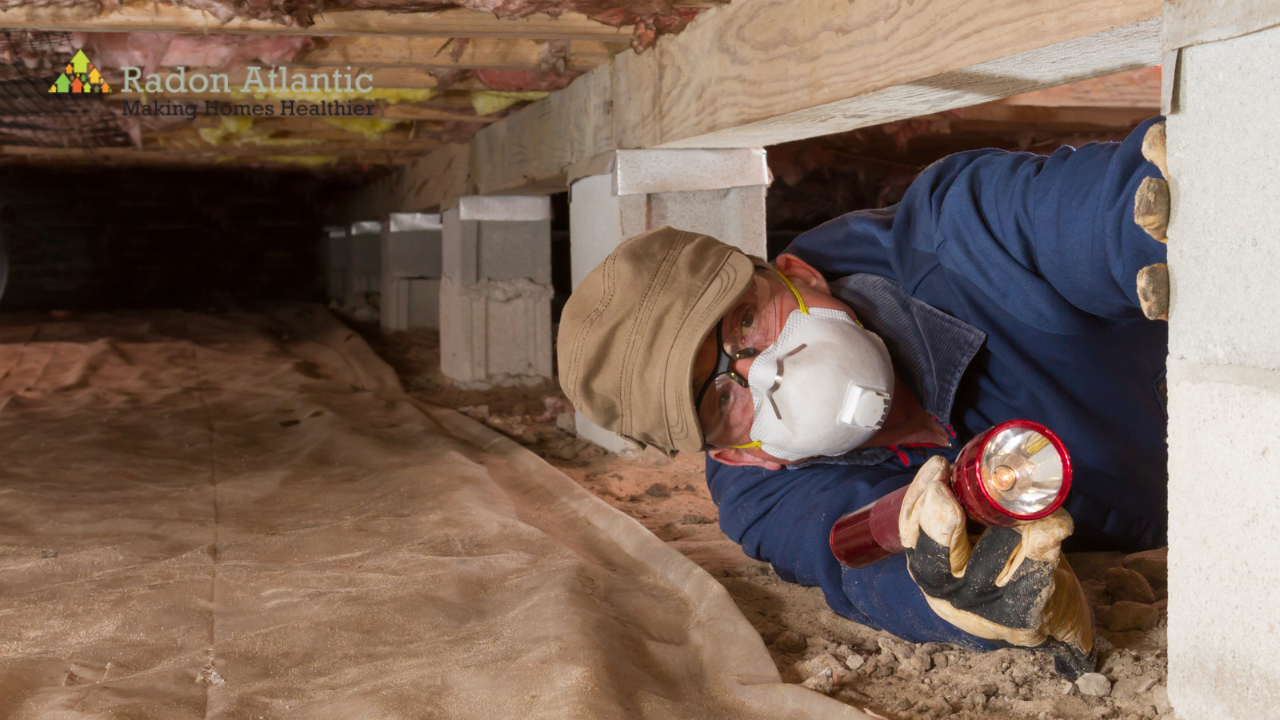
Understanding these six potential entry conditions is a useful starting point, but testing is necessary to determine the level in your living space and whether mitigation may be needed.
1. Exposed Earth Beneath the House
An uncovered earth floor leaves the crawl space directly connected to the soil below. As uranium in soil and rock breaks down, radon forms and can move through the ground into enclosed spaces.
An exposed earth floor does not automatically mean your home has elevated radon levels. However, it is worth considering how soil gas could enter the building.
What you can do: Arrange a radon test in the lowest normally occupied area of your home, following the applicable testing instructions. If the result is elevated, a professional assessment can help determine whether crawl space mitigation is appropriate.
2. Cracks in Foundation Walls
Foundation walls separate the crawl space from the surrounding ground, but cracks and openings can provide routes for radon to enter. Their significance depends on the building’s construction and the pathways available for soil gas movement.
Visible cracks deserve attention during general home maintenance, but their size or appearance cannot tell you whether radon levels are elevated.
What you can do: Address foundation damage as part of routine home maintenance, but do not assume that sealing visible cracks will resolve a radon concern. Review your test results with a qualified radon mitigation professional to determine whether additional measures are needed.
3. Gaps Around Pipes and Support Posts
Plumbing lines, utility penetrations, and support posts can leave small gaps where they pass through floors or other building components. These openings may connect the crawl space with other parts of the home.
Because these gaps are not always easy to spot, checking only the most visible parts of the foundation may overlook potential entry points.
What you can do: Have gaps around pipes and support posts considered during a radon assessment. Sealing suitable openings may help limit entry, but the need for a broader mitigation system depends on the measured radon concentration and the home’s construction.
4.Unsealed Construction Seams and Floor Openings
Construction seams, joints, and openings between materials can provide additional routes for soil gas. In some properties, radon entering the crawl space may move through these openings into the rooms above.
A floor that looks intact does not necessarily prevent soil gas from entering the living space. In radon in crawl space homes, multiple pathways may connect the crawl space to occupied rooms, making it important to consider the building as a whole rather than focusing on a single opening.
What you can do: Arrange testing in the appropriate occupied area of your home. If the results are elevated, a professional assessment can help identify potential entry routes and determine which mitigation measures may be suitable.
5. Crawl Space Drains and Sump Holes
Drains and sump holes can create connections between the building and the surrounding ground. Depending on their construction, these openings may allow radon to enter indoor spaces.
Their presence alone does not confirm a radon problem, but they should not be overlooked when considering the property’s foundation and possible entry routes.
What you can do: Have drains and sump openings evaluated alongside other potential entry points. Because these features may serve an important drainage function, any sealing or modification should account for their purpose and the property’s radon mitigation requirements.
6. Air Pressure Differences Inside the Home
Radon movement depends on more than visible cracks. Differences in air pressure between the soil, crawl space, and occupied areas can influence how soil gas moves through a building.
Heating and ventilation conditions can affect these pressure relationships. Consequently, sealing a few visible openings may not be enough to address elevated radon levels.
What you can do: Avoid relying on ventilation changes or sealing alone to address elevated radon levels. Active soil depressurization (ASD) draws soil gas away from the building and vents it outdoors. The appropriate system should be selected according to the home’s construction and measured radon levels.
How Can You Address Radon in a Crawl Space Home?
Identifying potential entry points is useful, but testing is necessary to establish the radon concentration in your home. Results from the appropriate living area help determine whether mitigation is recommended.
Follow these three steps:
- Arrange a long-term test. Health Canada recommends testing for at least three months, ideally during the fall or winter. Place the detector in the lowest normally occupied area where someone spends more than four hours a day, following the device instructions. An unfinished crawl space is not the standard testing location for assessing exposure in living areas.
- Review your results. Canada’s guideline is 200 Bq/m³. If the average concentration from a test lasting at least 91 days exceeds 200 Bq/m³, corrective action is recommended. The higher the radon concentration, the sooner action should be taken.
- Explore appropriate mitigation. We offer Active Soil Depressurization (ASD) and Heat Recovery Ventilation (HRV) systems to help reduce indoor radon levels. ASD is generally more effective for radon reduction, while HRV may be suitable when a smaller reduction is needed. The right approach depends on your home’s construction and measured radon levels.
Accurate testing and a property-specific assessment help you make informed decisions based on measured levels rather than assumptions.
Get Expert Guidance From Radon Atlantic
Radon in crawl space homes requires accurate testing to understand potential risks and determine whether mitigation is needed. We provide radon analysis, risk assessment, and mitigation services to help you explore suitable solutions for your property.
Concerned about radon beneath your home? Contact us today to discuss your results and mitigation options.