residential ventilation contractors

Breathing Easy: Why Residential Ventilation Contractors Are Vital for Your Home

The Truth About Indoor Air—Straight From Residential Ventilation Contractors

When people think about indoor air quality, they often focus on air conditioners or air purifiers. But the real backbone of a healthy home environment is proper ventilation. This is where experienced residential ventilation contractors come in. They go beyond installation by improving how air circulates throughout your home.

At Radon Atlantic, this is something we see often—homes that look perfectly fine on the surface but quietly struggle with poor air circulation behind the scenes. If the air in your home feels heavy or “off,” it can often be linked to tightly sealed modern construction and limited airflow.

residential ventilation contractors-radonatlantic


The Hidden Problem: Stale Indoor Air

Modern homes are built to be energy efficient. While this is great for reducing utility bills, it also means homes are tightly sealed, limiting natural air exchange. Without the help of residential ventilation contractors, that air becomes trapped—along with pollutants.

When air stays still, so do these common indoor pollutants:

  • Moisture: Cooking, showering, and even breathing increases humidity, which can lead to mold growth.
  • Odours: Cooking smells and household odours linger longer without proper airflow.
  • Allergens: Dust mites, pet dander, and pollen continue circulating in stagnant air.
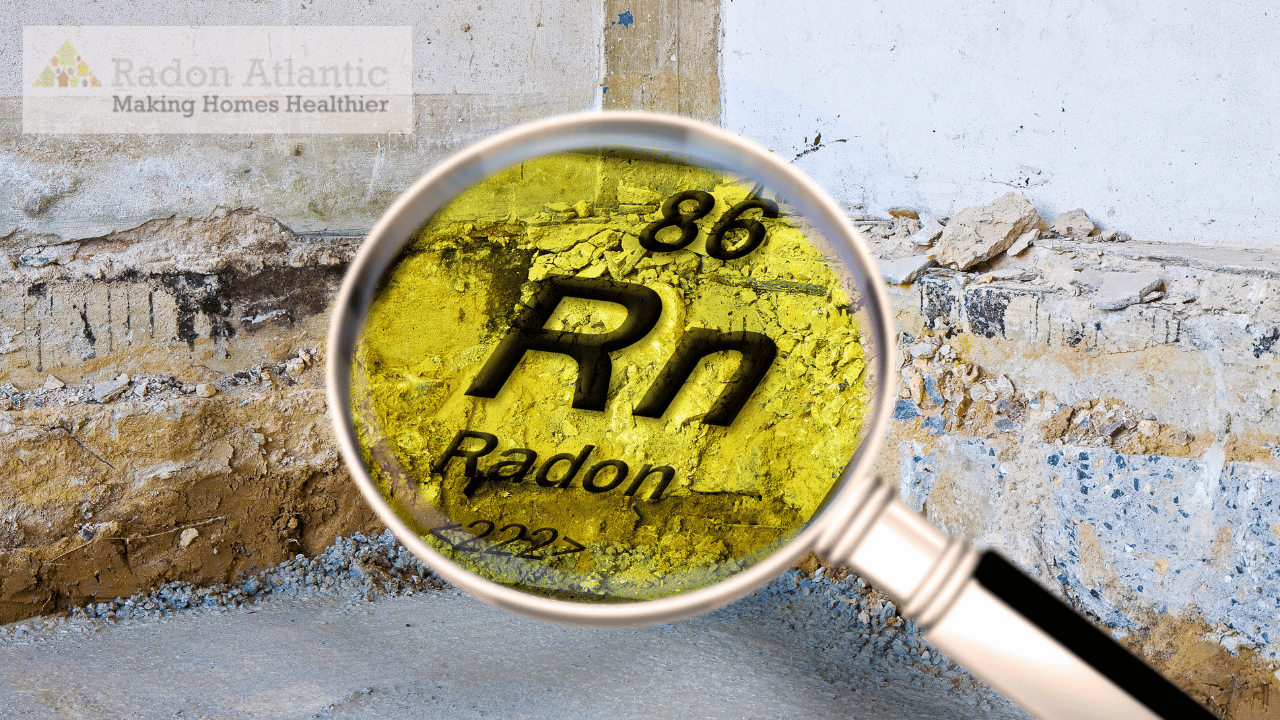
  • Harmful gases: In some homes, gases like radon can accumulate indoors.

Poor indoor air quality doesn’t just feel uncomfortable—it can also contribute to headaches, fatigue, and respiratory discomfort over time.


What Do Residential Ventilation Contractors Actually Do?

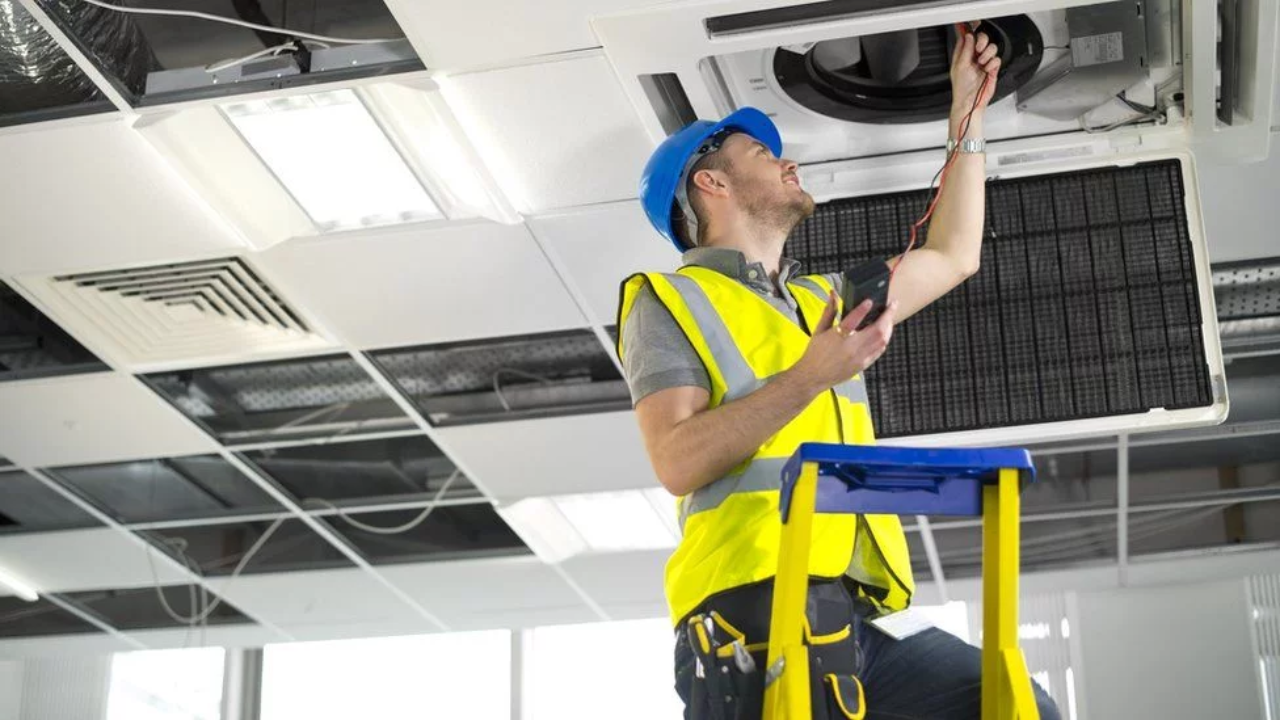
Ventilation is often misunderstood as simply opening windows or running exhaust fans. In reality, it is a carefully engineered system. Professional residential ventilation contractors assess how air moves through your entire home.

They design systems that ensure fresh air enters while stale air exits consistently and efficiently.

A typical professional approach includes:

  1. Evaluating airflow patterns: Identifying areas where air circulation is restricted.
  2. Installing HRVs or ERVs: Heat Recovery Ventilators or Energy Recovery Ventilators bring in fresh air while preserving indoor temperature.
  3. Pressure balancing: Preventing issues like back drafting from chimneys or water heaters.
  4. System integration: Ensuring ventilation works smoothly with heating and cooling systems.

How Ventilation and Radon Are Connected in Your Home

Radon is an invisible, odorless radioactive gas that enters homes through the foundation. Because modern homes are airtight, radon can become trapped indoors and reach elevated levels.

Residential ventilation contractors can support radon control strategies by improving overall airflow. While ventilation alone is not a full mitigation system, it plays an important supporting role in maintaining healthier indoor conditions.

At Radon Atlantic, we combine testing, mitigation systems, and ventilation improvements as part of a complete indoor air safety strategy.


Signs Your Home May Need Better Ventilation

Your home often shows subtle warning signs when ventilation is insufficient:

  • Condensation on windows: Indicates high indoor humidity.
  • Musty odours: Often caused by stagnant air and moisture builtup.
  • Uneven temperatures: Some rooms feel too hot or too cold.
  • Worsening allergies indoors: Symptoms improve when you are outside.

If these signs sound familiar, residential ventilation contractors can identify the root cause instead of temporary fixes like air fresheners or dehumidifiers alone.


The Long-Term Benefits of Proper Ventilation

Working with residential ventilation contractors can significantly improve your living environment over time:

  • Healthier indoor air: Reduced pollutants and better breathing comfort.
  • Improved comfort: Balanced humidity and temperature throughout the home.
  • Structural protection: Less moisture damage to wood, drywall, and insulation.

Why Expertise Matters More Than Equipment

Even the best ventilation equipment will not perform properly if it is not designed and balanced correctly. Skilled residential ventilation contractors tailor systems based on your home’s structure, size, and usage patterns.

At Radon Atlantic in Halifax, we focus on understanding the complete airflow behaviour of your home before recommending solutions. Clean, balanced air is not just about equipment—it is about expert design and long-term performance.


Final Thought

A healthy home is not defined by what you can see, but by the air you breathe every day. With the right residential ventilation contractors, you can improve indoor air quality, reduce hidden risks, and create a more comfortable living environment for the long term.

Radon Testing Nova Scotia

Top Benefits of Professional Radon Mitigation and Residential Ventilation Services Halifax Nova Scotia

Radon gas is an invisible indoor air threat that can affect your home’s safety and your family’s health. Professional
radon mitigation and residential ventilation services in Halifax, Nova Scotia help detect, control, and reduce radon levels effectively.

Experts like Radon Atlantic provide professional radon testing and custom ventilation solutions designed for Atlantic Canadian homes and climate conditions.

What is Radon and Why Should You Care?

Radon is a naturally occurring radioactive gas formed by the breakdown of uranium in soil, rock, and water. Outdoors, it disperses harmlessly, but indoors it can accumulate in enclosed spaces.

According to Health Canada and the World Health Organization, long-term exposure to elevated radon levels is a leading cause of lung cancer among non-smokers.

Since radon is odorless and invisible, testing is the only way to detect it.

How Radon Testing Works

  • Testing Method: Long-term monitoring for accurate results
  • Guideline Limit: 200 Bq/m³ (Health Canada)
  • Placement: Lowest livable area of the home

Understanding Radon Mitigation

If radon levels are high, mitigation systems are installed to reduce indoor concentrations.

  • Sub-slab Depressurization: Removes radon from beneath the foundation and vents it outside
  • Sealing Entry Points: Closes cracks and gaps in the foundation
  • Active Ventilation: Continuous fan system safely removes radon gas
  • System Monitoring: Ensures long-term performance

Importance of Residential Ventilation

Proper ventilation improves indoor air quality by reducing radon buildup, moisture, and pollutants. HRV (Heat Recovery Ventilation) systems are commonly used in Halifax homes.

  • Improves indoor air freshness
  • Reduces humidity and mold growth
  • Enhances overall air quality

Why Professional Installation Matters

Certified professionals like Radon Atlantic design custom systems based on your home’s structure and airflow.

This ensures compliance, safety, and long-term effectiveness.

Radon Testing in Nova Scotia

Nova Scotia has higher radon levels due to uranium-rich soil, making testing essential for homeowners.

When to Test:

  • Buying or selling a home
  • After renovations or upgrades
  • During winter months
  • If you’ve never tested before

Results Guide:

  • Below 200 Bq/m³: Acceptable
  • Above 200 Bq/m³: Action required

What If Radon Levels Are High?

Modern mitigation systems can reduce radon levels by up to 90%.

  • Sub-slab depressurization systems
  • Foundation sealing improvements
  • HRV ventilation upgrades

Does Radon Testing Increase Home Value?

Yes. A certified radon report increases buyer confidence and demonstrates responsible home maintenance.

Frequently Asked Questions

1. How long does radon testing take?
Short-term tests take a few days, long-term tests may take up to 90 days.

2. Can I test radon myself?
DIY kits are available, but professional testing provides certified and more reliable results.

3. Is there a safe level of radon?
Health Canada recommends staying below 200 Bq/m³, but lower levels are always better.

Radon mitigation and residential ventilation services Halifax Nova Scotia

?Top Benefits of Professional Radon Mitigation and Residential Ventilation Services Halifax Nova Scotia

One invisible threat that can affect home safety is radon gas. That is where expert radon mitigation and residential ventilation services Halifax Nova Scotia come into play. These pros help improve your indoor air quality, making your home healthier for your family. Since radon has no smell and is invisible, it’s important for homeowners to be proactive in managing it.

Radon Atlantic helps you take control of your air quality through professional testing and custom ventilation setups built specifically for Atlantic Canadian weather.

radon remediation nova scotia


What is Radon and Why Should You Care?

Radon is a radioactive gas that occurs naturally. It forms when uranium breaks down in the soil, rock, and water under your house. When it’s outside, it thins out and isn’t a problem. But when it seeps through cracks or gaps in your foundation, it gets trapped.

Over time, radon levels can build up in enclosed spaces. Long-term exposure to elevated radon levels may increase health risks. According to Health Canada and the World Health Organization, radon exposure is considered a leading cause of lung cancer among non-smokers.

Because radon is invisible and odorless, it cannot be detected without proper testing.

How Radon Testing Works

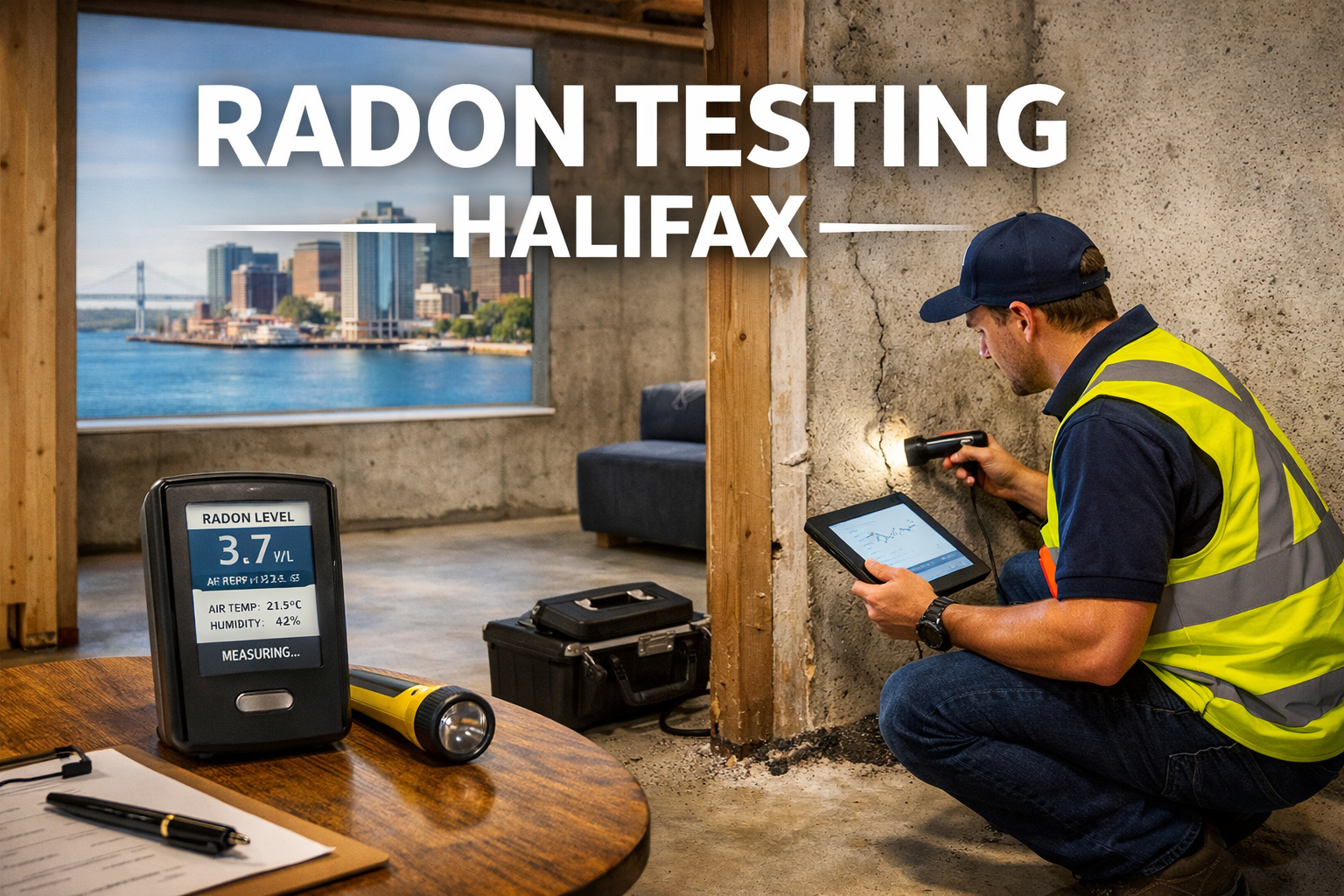
Before mitigation, it’s important to accurately measure radon levels to understand the extent of the issue. Experts like the team at Radon Atlantic use calibrated tools to measure the gas levels over a set period.

The Threshold: In Canada, the guideline is 200 Bq/m³. If your home tests above that level, it is recommended to take steps to reduce radon.

The Process: Usually, a monitor stays in the lowest lived-in area of your home for several weeks or months. This gives you a long-term average, which is much more reliable than a “snapshot” test.

Understanding Radon Mitigation

If the tests come back high, it’s time for mitigation. The goal of radon mitigation and residential ventilation services Halifax Nova Scotia is to significantly reduce radon levels in your home, helping lower potential health risks.

Here is how a typical system works:

Sub-slab Depressurization: This creates a vacuum under your foundation. It pulls the gas away and pipes it out of the house.

Sealing Gaps: Techs find and seal the entry points—cracks in the concrete or gaps around your pipes.

Active Venting: Quiet fans run 24/7 to exhaust the gas safely outdoors.

Ongoing Checks: Once installed, you monitor the system to make sure it keeps doing its job.

These systems operate quietly, providing effective radon reduction without disrupting daily life. 


The Importance of Proper Ventilation

Mitigation works best when your home has good air circulation. Poor ventilation lets radon—and other indoor pollutants, such as mold spores—remain in your home. Residential ventilation, like Heat Recovery Ventilation (HRV) systems, keeps fresh air moving without losing all your heat.

In a place like Halifax, an HRV system is highly effective in maintaining good indoor air quality. It swaps out stale indoor air for fresh outdoor air efficiently. It helps:

  • Keep the indoor environment crisp and healthy.
  • Control moisture levels to stop mold in its tracks.
  • Boost overall air quality beyond just fixing the radon issue.

Why Certified Professionals Are Essential

You can buy a DIY kit, but for a real fix, you need a certified pro. Radon Atlantic doesn’t do “one-size-fits-all” work. They look at your foundation type, the way your house is built, and how the air moves before they ever pick up a tool.

Certified expertise ensures the job is done to code, using quality equipment, with results verified through proper monitoring.

Final Thoughts on Radon Mitigation in Halifax

Radon is an important factor in indoor air quality, and addressing it is a key step toward a safer home environment. Because of the local geology in Halifax, indoor radon levels may accumulate more quickly in some homes. Investing in radon mitigation and residential ventilation services Halifax Nova Scotia is an investment in your family’s future.

It’s recommended to get your home tested for radon, especially in areas where levels are known to be elevated, to help reduce potential health risks. With the right help from Radon Atlantic, you can finally enjoy improved indoor air quality and greater peace of mind in your home.

Halifax Radon Testing

7 Compelling Reasons to Book Halifax Radon Testing Immediately

Radon is invisible, odorless, and tasteless, which makes it easy to overlook. It can enter homes through foundation cracks or floor drains, so professional testing is important to understand potential risks. That’s why Radon Atlantic recommends Halifax radon testing for every household.

Most homeowners don’t realize that scientific studies show radon exposure is a leading risk factor for lung cancer, second only to smoking. Testing may help identify potential risks and guide steps to reduce exposure.

1. Protecting Your Family’s Health

The main reason to test is health. Long-term exposure to elevated radon levels may increase the risk of health issues, which is why identifying levels early is recommended.

Because the gas is heavier than air, it tends to settle in basements, crawlspaces, and lower-level rooms—often the same spaces where kids play or where home offices are set up.

Our radon testing service helps identify potential radon risks so you can take preventive measures to reduce exposure.

2. Getting Real Peace of Mind

Even if your home looks perfect and was built recently, there is no way to know the radon levels without a proper test. We have seen beautiful, brand-new homes with high levels and older homes that are perfectly fine.

  • We provide accurate results and honest advice.
  • Our goal is to give you confidence in your living space.
  • Knowing the numbers means you aren’t guessing.

Home safety radon testing


3. Staying Current with Real Estate Trends

If you are currently buying or selling a home in Halifax, you have probably noticed that radon testing is becoming a standard part of the inspection process.

  • For buyers: proof that the home is safe.
  • For sellers: fix issues before they impact price.

4. An Easy and Affordable Process

Professional testing is cost-effective and non-invasive. Detectors are placed in strategic areas and monitored over time.

  • No noise
  • No dust
  • No disruption

Once completed, you receive a clear, easy-to-understand report.

5. Early Detection Leads to Fast Solutions

If radon levels are high, solutions are usually straightforward and affordable.

Common solutions include:

  • Sealing foundation cracks and gaps
  • Improving ventilation
  • Installing venting systems

Radon Atlantic ensures all mitigation is handled professionally.

6. Guarding Your Largest Investment

Your home is likely your biggest investment. Reducing radon exposure helps maintain property value. Homes with documented Halifax radon testing are often more attractive to buyers.

7. Why Regular Checks Matter

Radon levels can change over time due to:

  • Seasonal changes
  • Renovations
  • Ventilation changes

Regular testing helps you stay proactive and safe.


7 Red Flags Your Home Could Be Hiding Radon Atlantic

If you live in the Atlantic region, it’s easy to think the fresh sea air keeps your home safe. But there’s an invisible threat you can’t see, taste, or smell—radon Atlantic. This naturally occurring radioactive gas can seep into your living space over time, posing serious health risks to everyone inside.

The good news? Once you know what you’re dealing with, taking the right steps to protect your family is straightforward.

1. Understand the Threat

Radon is a radioactive gas that comes from the natural breakdown of uranium in soil, rock, and water. In Atlantic homes with basements or crawlspaces, levels can rise quietly, often without notice.

2. Know the Health Risks

  • The Second Leading Cause: According to the U.S. Environmental Protection Agency (EPA), radon is the second leading cause of lung cancer after smoking.
  • Everyone is at Risk: Both smokers and non-smokers are vulnerable, though smokers face a much higher combined risk.
  • No Immediate Symptoms: Exposure often has no noticable symptoms initially.

3. Identify How Radon Enters Homes

  • Foundation Cracks: Small gaps in concrete slabs or walls.
  • Service Openings: Sump pits, floor drains, or gaps around utility pipes.
  • Crawlspaces: Poorly ventilated areas under the home.
  • Well Water: In some older homes, radon can enter through the water system.

4. Test Your Home

The only way to know your home’s radon levels is to test for them. It’s a simple and affordable process.

  • Short-term tests: 2 to 7 days; great for a quick check.
  • Long-term tests: 90 days or more; provides an accurate seasonal average.

5. Interpret Your Results

Radon is measured in picocuries per liter (pCi/L):

  • 4 pCi/L or higher: Take action immediately to lower these levels.
  • 2 to 4 pCi/L: Consider mitigation; lower is always better.
  • Below 2 pCi/L: Generally considered a lower-risk zone.

6. Mitigation Options

If your test results come back high, don’t panic. Solutions include:

  • Sub-slab Depressurization: A fan and pipe system vents radon safely outdoors.
  • Sealing Gaps: Works best when combined with a ventilation system.
  • Certified Professionals: Professional mitigation can reduce radon levels by as much as 99%.

7. Radon and Real Estate

If you are buying or selling a home in the Atlantic region, radon should be on your checklist. Documentation of testing or mitigation can significantly help inform potential buyers.

Conclusion

Radon may be invisible, but it can pose risks over time. From protecting your family’s health to maintaining your home’s value, testing is an important step. Schedule a professional radon test with Radon Atlantic to understand your home’s radon levels and take informed action.

Halifax Radon Testing Services

7 Compelling Reasons to Book Halifax Radon Testing Immediately

Radon is invisible, odorless, and tasteless, which makes it easy to overlook. It can enter homes through foundation cracks or floor drains, so professional testing is important to understand potential risks. That’s why Radon Atlantic recommends Halifax radon testing for every household.

Most homeowners don’t realize that scientific studies show radon exposure is a leading risk factor for lung cancer, second only to smoking. Testing may help identify potential risks and guide steps to reduce exposure.

1. Protecting Your Family’s Health

The main reason to test is health. Long-term exposure to elevated radon levels may increase the risk of health issues, which is why identifying levels early is recommended.

Because the gas is heavier than air, it tends to settle in basements, crawlspaces, and lower-level rooms—often the same spaces where kids play or where home offices are set up.

Our radon testing service helps identify potential radon risks so you can take preventive measures to reduce exposure.

2. Getting Real Peace of Mind

Even if your home looks perfect and was built recently, there is no way to know the radon levels without a proper test. We have seen beautiful, brand-new homes with high levels and older homes that are perfectly fine.

Many families tell us they sleep better once their home’s indoor environment has been checked.

  • We provide accurate results and honest advice.
  • Our goal is to give you confidence in your living space.
  • Knowing the numbers means you aren’t guessing.

3. Staying Current with Real Estate Trends

If you are currently buying or selling a home in Halifax, you have probably noticed that radon testing is becoming a standard part of the inspection process.

  • For buyers: proof that the home is safe.
  • For sellers: fix issues before they impact price.

4. An Easy and Affordable Process

Some people put off testing because they think it’s going to be a big, expensive ordeal involving construction. That isn’t the case.

Professional testing is cost-effective and non-invasive. Detectors are placed in strategic areas and monitored over time.

  • No noise
  • No dust
  • No disruption

Once completed, you receive a clear, easy-to-understand report.

5. Early Detection Leads to Fast Solutions

If radon levels are high, solutions are usually straightforward and affordable.

Common solutions include:

  • Sealing foundation cracks and gaps
  • Improving ventilation
  • Installing venting systems

Radon Atlantic ensures all mitigation is handled professionally.

6. Guarding Your Largest Investment

Your home is likely your biggest investment. Reducing radon exposure helps maintain property value.

Homes with documented Halifax radon testing are often more attractive to buyers.

7. Why Regular Checks Matter

Radon levels can change over time due to:

  • Seasonal changes
  • Renovations
  • Ventilation changes

Regular testing helps you stay proactive and safe.

Conclusion

Radon may be invisible, but it can pose risks over time. From protecting your family’s health to maintaining your home’s value, testing is an important step.

Schedule a professional radon test with Radon Atlantic to understand your home’s radon levels and take informed action.

Visit: https://www.radonatlantic.com/
Call: 902 444 8724

Radon Testing Halifax

Radon Testing Halifax: Are You Really Safe at Home?

Keeping your family safe is every homeowner’s priority in Nova Scotia. While we often focus on visible concerns like fire safety or security, radon is an invisible risk that can quietly enter your home through the foundation. For residents in Halifax, professional radon testing Halifax is the most reliable way to identify this potential issue. Early detection can help you monitor and manage potential long-term health risks.

Radon has no color, smell, or taste. This makes it impossible to detect without professional-grade tools. While DIY kits may provide a rough indication, professional testing offers more reliable results, as radon levels can fluctuate with weather and ventilation.

Radon Testing Halifax

Why Radon is a Concern in Nova Scotia

Radon comes from the natural breakdown of uranium in the soil and rocks under your home. When this gas is outside, it mixes with the fresh air and stays at very low, safe levels.

The problem starts when the gas gets trapped inside a building. Because modern homes are built to keep heat in, they also tend to keep radon in. Over time, the gas can build up in basements and crawl spaces.

It is important to know that radon enters through tiny cracks in the floor, gaps around pipes, or even through small pores in concrete. Every house is different; your home might have high levels while the house next door is perfectly fine.


This is why you cannot rely on a neighbor’s results. Regular radon testing Halifax is the only way to be sure about your own property, especially if you spend a lot of time in the lower levels of your house.

The Value of a Professional Test

Professional testing typically delivers more precise results than standard store kits, thanks to certified equipment and proper placement. Here is why it matters:

  • Accuracy: Professionals use equipment that is regularly calibrated to ensure the numbers are right.
  • Placement: Detectors need to be in the right spot. If they are placed too close to a window or fan, readings may be inaccurate.
  • Detailed Reports: You don’t just get a number; you get an explanation of what that number means for your health.
  • Real Estate Confidence: If you are selling your home, a professional report from Radon Atlantic provides buyers with verified radon levels.

How the Testing Process Works

Testing for radon is a straightforward process, but it needs to be done correctly to be useful. There are a few different ways to check your home:

Short-term tests usually last between two and seven days. These are great if you are in a hurry, like when you are buying a new house and need an answer fast.

Long-term testing is usually better for homeowners. Radon levels can fluctuate with seasonal changes, such as rainfall or ground freezing. A long-term test, running 90 days or more, provides a more accurate understanding of the radon levels you are exposed to throughout the year.

When to Call for a Test

It’s recommended to schedule radon testing in Halifax, especially if:

  • You have a basement used as a bedroom or living area.
  • You have recently done renovations that might have changed the airflow in the house.
  • You are about to buy or sell a home in the Halifax area.

If a test shows that your levels are high, there are several ways to fix it. Professionals can install systems that reduce radon levels by venting it outside. When installed correctly, these systems are designed to significantly reduce radon concentrations.

Protecting Your Family Long-Term

Radon exposure is recognized by health authorities as a potential risk factor for lung cancer. Scheduling radon testing is a recommended step to help monitor and manage potential exposure. Whether you have a brand-new house or an older home, knowing your radon levels is part of being a responsible homeowner.

Call Radon Atlantic at 902 444 8724 or visit our website https://www.radonatlantic.com/ to schedule your radon testing Halifax today.

Radon in Nova Scotia

Think Your Home Is Safe? What the Nova Scotia Radon Map Suggests

Radon is an invisible gas that you can’t smell or taste. It happens naturally when uranium in the ground breaks down, and while it’s all over the place, it doesn’t settle in every spot the same way. This is why the Nova Scotia radon map is such a big deal for anyone living in or moving to the province. It gives homeowners a head start on understanding the risks in their specific neighbourhood.

At Radon Atlantic, people always ask us: “If the map says my area is low risk, can I just skip the test?” The honest answer is no. To understand why, you have to look at how these maps are actually built.


Halifax certified HRV contractors


What the Nova Scotia Radon Map Really Tells You

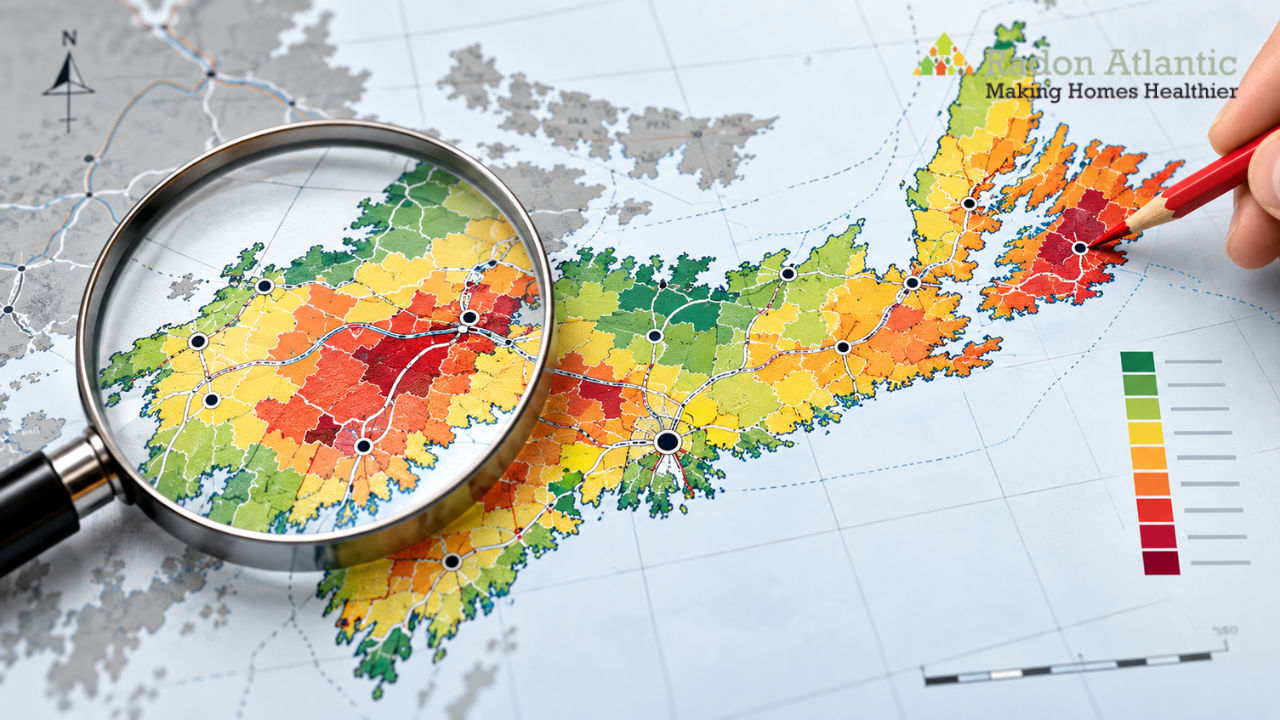
The Nova Scotia radon map isn’t a magic crystal ball. It’s a visual tool made by looking at soil types, rock formations, and thousands of old test results. It’s great for seeing the “big picture” of where radon might be more common across the province.

Here is the breakdown of what the map is actually doing:

  • It tracks trends: It shows which regions have a higher statistical chance of elevated gas.
  • It follows the geology: It points out areas where the soil is more likely to release radon.
  • It highlights past data: It shows where other people have found high levels before.

But here is what it cannot do: It can’t tell you the radon level in your specific basement. It doesn’t know if your foundation has a tiny crack or how your home was built. Two houses right next to each other can have totally different readings.

Why Nova Scotia is a Radon Hotspot

Our province has a unique geological makeup. The ground here often has geological conditions that can allow radon to move from the soil into crawlspaces and basements. Because our winters are cold, we seal our homes up tight to keep the heat in. This is great for your power bill, but it’s bad for radon, as the gas can become trapped indoors and may accumulate to elevated levels over time.

Long-term exposure to elevated radon levels is recognized by health authorities as a leading cause of lung cancer among non-smokers. This is why we tell everyone in the province to test their home, no matter what colour their zone is on the map.

Using the Map the Right Way

Think of the Nova Scotia radon map as a warning sign on a highway. It tells you to be alert, but it doesn’t mean you can stop paying attention to the road.

  • It’s a starter, not a finisher: Use it to start a conversation about safety.
  • Low risk isn’t “no” risk: Homes in ‘low potential’ zones have tested above recommended radon guideline levels.
  • It’s a regional guide: It’s about the neighbourhood, not your specific property.

Why You Can’t Skip the Test

Testing is the most reliable way to understand the radon level inside your home. Radon is a “silent” problem—you won’t feel sick or notice a weird smell while it’s happening.

  1. New homes are affected too: Modern, airtight homes can actually trap radon more effectively than drafty old ones.
  2. Renovations change things: If you finish your basement or change your ventilation, your radon levels can shift.
  3. It’s affordable: A test is a small price to pay for understanding your indoor air quality.

Professional Help from Radon Atlantic

We specialize in testing and fixing radon issues across the province. If your test comes back high, don’t panic. Mitigation systems are proven to significantly reduce indoor radon levels. They basically act as a vacuum that pulls the gas from under your house and vents it safely outside.

Buying or Selling? Radon is becoming a major point in Nova Scotia real estate. Buyers are asking for tests more than ever before. If you are selling, having a clear test result shows proactive ownership and helps reduce uncertainty for potential buyers.

The Bottom Line

The Nova Scotia radon map is a great educational tool, but it is not a substitute for a real test. Don’t rely on what happened at your neighbour’s house or what a map says about your county. One of the most effective ways to protect your family is to get accurate data for your own home.

For professional radon testing in Nova Scotia, contact 902 444 8724 or visit https://www.radonatlantic.com/ today.

Nova Scotia Radon Map

Think Your Home Is Safe? What the Nova Scotia Radon Map Suggests

Radon is an invisible gas that you can’t smell or taste. It happens naturally when uranium in the ground breaks down, and while it’s all over the place, it doesn’t settle in every spot the same way. This is why the Nova Scotia radon map is such a big deal for anyone living in or moving to the province. It gives homeowners a head start on understanding the risks in their specific neighbourhood.

At Radon Atlantic, people always ask us: “If the map says my area is low risk, can I just skip the test?” The honest answer is no. To understand why, you have to look at how these maps are actually built.

Halifax certified HRV contractors


What the Nova Scotia Radon Map Really Tells You

The Nova Scotia radon map isn’t a magic crystal ball. It’s a visual tool made by looking at soil types, rock formations, and thousands of old test results. It’s great for seeing the “big picture” of where radon might be more common across the province.

Here is the breakdown of what the map is actually doing:

It tracks trends: It shows which regions have a higher statistical chance of elevated gas.

It follows the geology: It points out areas where the soil is more likely to release radon.

It highlights past data: It shows where other people have found high levels before.

But here is what it cannot do: It can’t tell you the radon level in your specific basement. It doesn’t know if your foundation has a tiny crack or how your home was built. Two houses right next to each other can have totally different readings.

Why Nova Scotia is a Radon Hotspot

Our province has a unique geological makeup. The ground here often has geological conditions that can allow radon to move from the soil into crawlspaces and basements.

Because our winters are cold, we seal our homes up tight to keep the heat in. This is great for your power bill, but it’s bad for radon, as the gas can become trapped indoors and may accumulate to elevated levels over time.

Long-term exposure to elevated radon levels is recognized by health authorities as a leading cause of lung cancer among non-smokers. This is why we tell everyone in the province to test their home, no matter what colour their zone is on the map.

Using the Map the Right Way

Think of the Nova Scotia radon map as a warning sign on a highway. It tells you to be alert, but it doesn’t mean you can stop paying attention to the road.

It’s a starter, not a finisher: Use it to start a conversation about safety.

Low risk isn’t “no” risk: Homes in ‘low potential’ zones have tested above recommended radon guideline levels.

It’s a regional guide: It’s about the neighbourhood, not your specific property.

Why You Can’t Skip the Test

Testing is the most reliable way to understand the radon level inside your home. Radon is a “silent” problem—you won’t feel sick or notice a weird smell while it’s happening.

  1. New homes are affected too: Modern, airtight homes can actually trap radon more effectively than draft old ones.
  2. Renovations change things: If you finish your basement or change your ventilation, your radon levels can shift.
  3. It’s affordable: A test is a small price to pay for understanding your indoor air quality.

What is Happening Under Your House?

A few things decide how much gas gets into your living space. The soil type under your floor is the biggest factor, but things like foundation cracks, sump pumps, and even the air pressure inside your house play a role.

Because these things are different for every building, the Nova Scotia radon map can only tell you so much.

Professional Help from Radon Atlantic

We specialize in testing and fixing radon issues across the province. If your test comes back high, don’t panic. Mitigation systems are proven to significantly reduce indoor radon levels. They basically act as a vacuum that pulls the gas from under your house and vents it safely outside, significantly reducing the amount of radon entering the home.

Buying or Selling? Get the Facts

Radon is becoming a major point in Nova Scotia real estate. Buyers are asking for tests more than ever before. If you are selling, having a clear test result can actually make the process smoother. It shows proactive ownership and can help reduce uncertainty for potential buyers.

The Bottom Line

The Nova Scotia radon map is a great educational tool, but it is not a substitute for a real test. Don’t rely on what happened at your neighbour’s house or what a map says about your county. One of the most effective ways to protect your family is to get accurate data for your own home.

For radon testing in Nova Scotia, contact 902 444 8724 or visit https://www.radonatlantic.com/ today.


Radon Map Nova Scotia