
Radon Testing Nova Scotia: Protect Your Home and Family
Radon is a silent, invisible threat that can affect any home in Nova Scotia, regardless of age or size. Many homeowners are unaware that this naturally occurring radioactive gas can seep through the soil and accumulate indoors, quietly increasing health risks over time. Understanding radon and taking action is essential for anyone who wants to ensure their home is safe. The good news is that radon testing Nova Scotia makes it easy to detect elevated levels before they become a serious concern.
Testing is straightforward, affordable, and the first step in protecting your family from long-term exposure. By knowing your home’s radon levels, you can make informed decisions about mitigation and prevention.
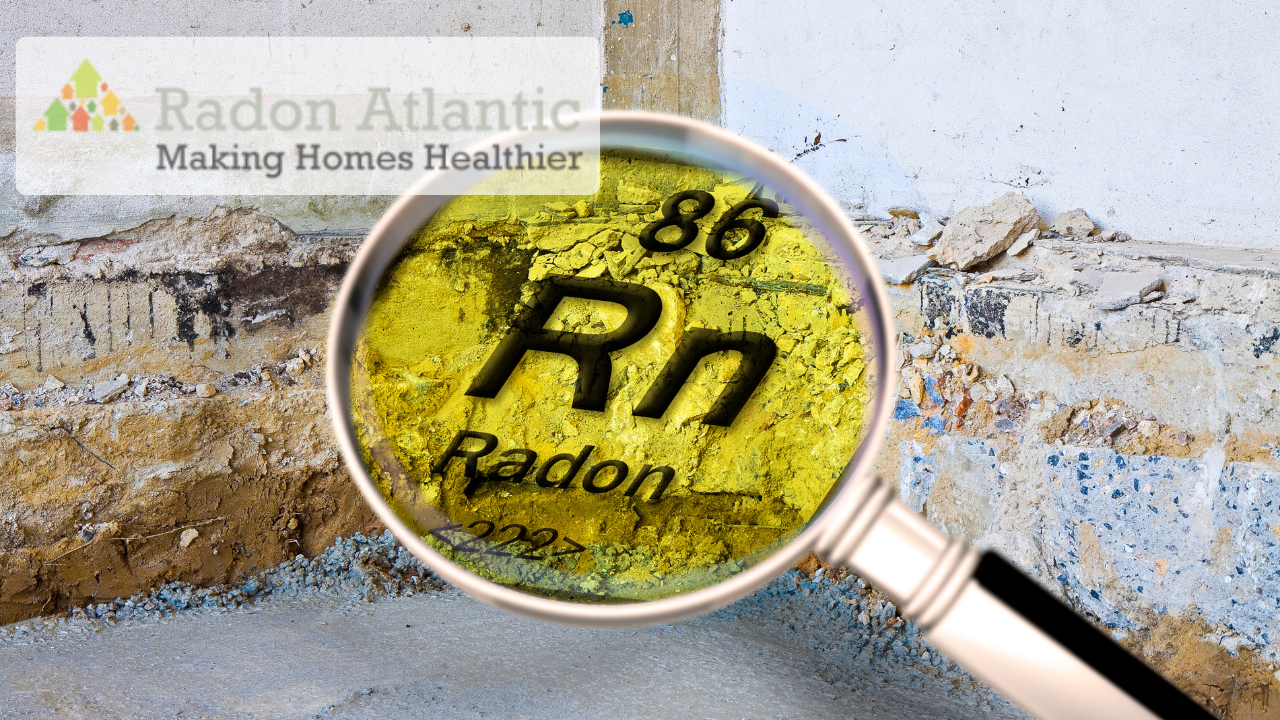
In this blog, we’ll cover what radon is, why it’s dangerous, how common it is in Nova Scotia, and the best ways to test and reduce exposure. Whether you live in Halifax or smaller communities across the province, taking action now can give you peace of mind.
What is Radon?
Radon is a naturally occurring radioactive gas produced when uranium in soil, rock, and water breaks down. It is invisible, odorless, and tasteless, making it impossible to detect without proper testing. Despite its silent nature, radon is a serious health hazard.
Key points about radon:
- Comes from the ground beneath your home.
- Can enter through cracks in foundations, basements, and crawl spaces.
- Builds up indoors over time, especially in well-sealed homes.
- Cannot be seen or smelled, which is why radon testing Nova Scotia is essential.
Homes in Nova Scotia, particularly older properties with basements or limited ventilation, may have higher radon concentrations. Understanding your home’s risk and taking preventive action is crucial for your family’s health.
Health Risks of Radon Exposure
Radon exposure is linked to serious health issues, most notably lung cancer. In fact, radon is the second leading cause of lung cancer after smoking. The risk increases significantly for smokers or those exposed to long-term high radon levels.
Quick facts on health risks:
- No immediate symptoms; damage occurs over years.
- Long-term exposure increases lung cancer risk.
- Can affect any age group, though children are more vulnerable.
- Even moderate radon levels can pose a risk if left unchecked.
Because of these dangers, taking proactive steps with radon testing Nova Scotia ensures that potential problems are addressed before they threaten your family’s health.
Radon Levels in Nova Scotia
Nova Scotia has a varied geology, which can influence radon levels in homes. While not every home will have elevated radon, testing is the only way to be sure.
Key points:
- Homes in some regions may naturally have higher radon levels.
- Even new or well-built homes can have elevated radon.
- Seasonal changes can affect indoor radon concentrations.
- Professional testing provides reliable, accurate results.
By scheduling radon testing Nova Scotia, homeowners can get precise measurements and know whether mitigation steps are necessary.
How Radon Testing Works
Testing your home for radon is simple and can be done in two main ways:
1. DIY Test Kits
- Affordable and easy to use.
- Typically involves leaving a detector in your home for 2–90 days.
- Must be placed correctly for accurate results.
2. Professional Testing
- Certified radon contractors provide more accurate, long-term readings.
- Ideal for homes with unusual layouts or where high levels are suspected.
- Includes interpretation and guidance for mitigation if necessary.
Tips for accurate testing:
- Place detectors in the lowest lived-in level of your home.
- Avoid kitchens, bathrooms, and areas with high airflow.
- Conduct tests during colder months for most accurate results.
Using radon testing Nova Scotia services ensures reliable detection and peace of mind.
Mitigation Options if Levels Are High
If testing reveals elevated radon levels, several mitigation strategies can reduce the risk:
- Sub-slab depressurization: Removes radon from beneath the home.
- Improved ventilation: Increases airflow to reduce indoor concentration.
- Sealing cracks and gaps: Minimizes radon entry points.
- Professional guidance: Certified contractors provide long-term solutions and monitoring.
Short-term safety measures while mitigation is arranged:
- Increase ventilation in basements and crawl spaces.
- Keep windows slightly open if weather permits.
- Avoid smoking indoors to reduce compounded risk.
Choosing a Trusted Radon Contractor in Nova Scotia
Selecting a certified and experienced radon contractor ensures your home is tested and mitigated properly. Radon Atlantic specializes in professional radon testing Nova Scotia and mitigation services, offering homeowners reliable results and actionable solutions.
Tips for homeowners:
- Verify contractor certification.
- Ask about experience and local expertise.
- Request a detailed report of test results and recommendations.
- Choose a provider with ongoing support and monitoring options.
CONCLUSION
Radon may be invisible, but the risk it poses is real. Protecting your family starts with awareness and action. By arranging professional radon testing Nova Scotia, you take the first step toward a safer, healthier home.
Don’t wait—schedule your radon test with Radon Atlantic today at 902?444?8724 or visit www.radonatlantic.com and ensure your home is free from this silent threat. Peace of mind for you and your loved ones starts with one simple test.