
If you’ve been putting off radon-testing, you’re by no means alone. Many homeowners hear about it in passing—maybe during a home inspection or while browsing safety checklists—but it often slips down the priority list. Yet, testing for radon is arguably one of the easiest things you can do to protect your family’s long-term health. At Radon Atlantic, we’ve seen firsthand how awareness and early detection make all the difference, especially in regions where radon levels fluctuate more than people realize.
Radon is colorless, odorless, and ubiquitous. It silently seeps into homes from cracks, gaps around sump pumps, crawl spaces, or construction joints. Because you can’t see or smell it, indoor buildups often go unnoticed for years. That’s where routine, reliable radon testing comes in—not to instill fear, but to give you clear information and control over your living environment.
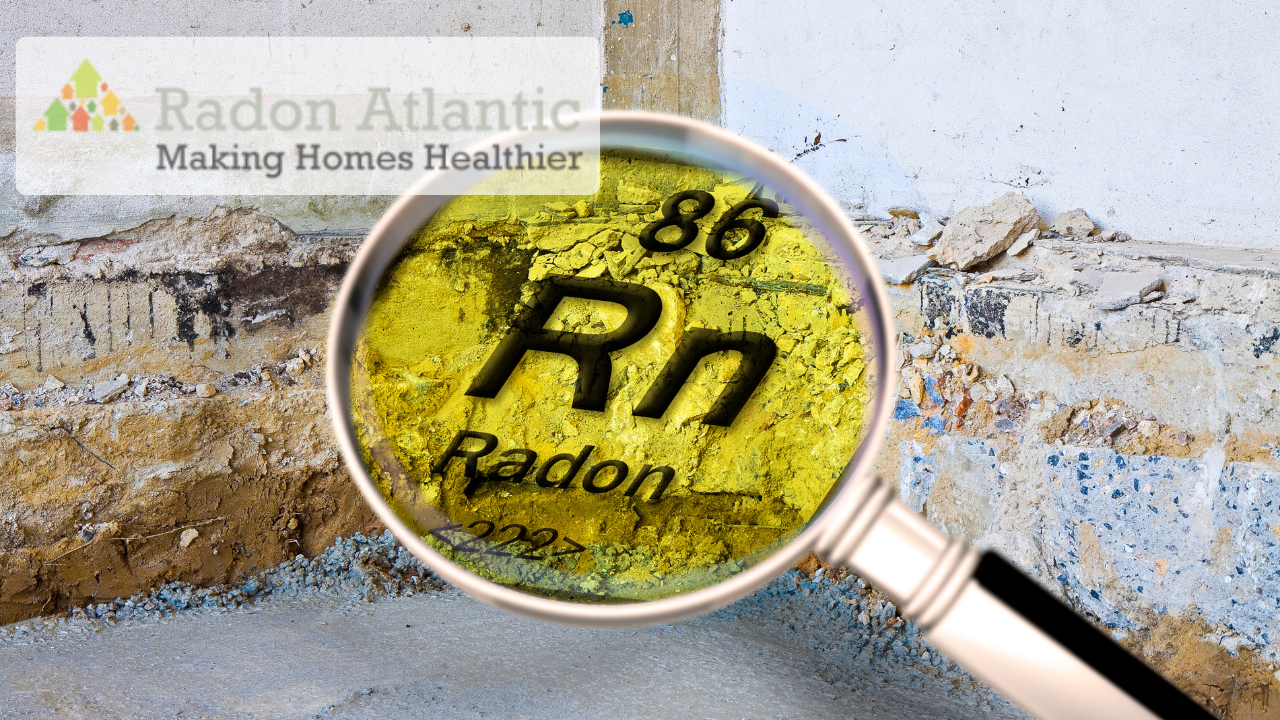
What Exactly Is Radon and Why Does It Matter?
Radon forms when uranium in soil and rock breaks down. Outdoors, it drifts harmlessly into the atmosphere, but indoors—especially in basements or lower-level rooms with minimal airflow—it can accumulate and linger. The real concern is long-term exposure, which health experts have linked to increased lung health risks over time.
That’s why proactive radon testing matters more than reactive fixes. Catching elevated levels early lets you reduce them long before they become a hazard, giving your family peace of mind.
How Radon Testing Works (and Why It’s Easier Than You Think)
Many assume testing is complicated or time-consuming, but it’s surprisingly simple. A professional places specialized monitors in your home’s lowest livable area. These run for 48 hours (short-term) or up to 90 days (long-term), capturing accurate data on your indoor air quality.
At Radon Atlantic, we handle everything: setup, monitoring, and reporting. The device is unobtrusive—you barely notice it while going about your day—and we ensure precise placement, timing, and calibration for reliable results every time.
Understanding Your Radon Test Results
Results show radon concentration in picocuries per liter (pCi/L). Health agencies recommend action at 4 pCi/L or higher, but many opt to address lower levels for extra caution, especially in homes with kids, seniors, or heavy indoor time.
Our team doesn’t just hand over numbers. We explain them in context—considering your home’s structure, location, and lifestyle—then outline clear next steps, whether levels are low, borderline, or elevated.
What Happens If Your Levels Are High?
Mitigation is straightforward: a licensed technician installs a system with ventilation and pressure control to vent radon safely outdoors. These run quietly with minimal upkeep, often blending seamlessly into your home.
Early radon testing avoids surprises like discovering issues during a sale or after years of exposure. Instead, you’re empowered to act quickly and confidently.
Why Partner with Radon Atlantic?
No two homes are alike—soil, materials, and features all play a role. We customize every step: assessing your setup, testing accurately, explaining results, and recommending tailored mitigation. It’s not one-size-fits-all; it’s informed guidance for a safer home.
The Everyday Peace of Mind
Once tested and addressed, you’ll feel the difference: confidence in your air quality, no nagging worries about unseen risks, and the knowledge you’ve taken a proactive step for your household’s health. It’s quick, noninvasive, and affordable—often the simplest win on your home maintenance list.
There’s a clear difference between wondering about radon and knowing your home is safe. With Radon Atlantic in Halifax, awareness starts with one test. Contact 902 444 8724 or visit https://www.radonatlantic.com/ to get started today.