
Archive for month: September, 2026

Residential Ventilation Contractors | Improve Home Airflow

7 Signs You Need Residential Ventilation Contractors for Your Home 


Most homeowners don’t think about ventilation until something feels off. Maybe your windows fog up every morning, certain rooms always feel stuffy, or you can’t seem to get rid of that musty smell. These may seem like small inconveniences, but they can point to poor indoor airflow. At
Radon Atlantic, we often speak with homeowners who are surprised to learn that these everyday issues may be connected. Knowing when to contact residential ventilation contractors can help you understand what’s affecting your home’s airflow and explore practical solutions before minor concerns become ongoing issues. 

Sign #1: Your Windows Frequently Have Condensation

Do your windows fog up every morning or collect moisture during colder months?

While occasional condensation can be normal, persistent moisture on windows often indicates that humid indoor air isn’t being removed effectively. Everyday activities such as cooking, showering, and laundry all release moisture into the home. Without adequate airflow, that moisture can remain trapped indoors.

If left unchecked, excess condensation can contribute to damp window frames and create conditions where mould may develop.

Sign #2: Cooking Smells and Musty Odours Linger for Hours

You clean your kitchen, open a window, or use an air freshener, but the smell still seems to stay around. When odours from cooking, pets, or everyday activities linger longer than expected, it may be a sign that stale indoor air isn’t being replaced effectively.

Good ventilation helps remove trapped air and allows fresh air to circulate throughout your home. Instead of simply masking unwanted smells, improving airflow addresses one of the reasons those odours continue to build up.

Sign #3: You Keep Finding Mould in the Same Areas

Cleaning mould only to have it reappear can be frustrating.

Recurring mould may be related to excess indoor moisture, although other factors can also contribute. Bathrooms, basements, laundry rooms, and areas around windows are especially prone to moisture buildup when ventilation is inadequate.

Identifying and managing sources of excess humidity can help address conditions that may contribute to recurring mould concerns.

Sign #4: Some Rooms Always Feel Stuffy

Does one bedroom feel warmer than the rest of the house? Does your upstairs seem uncomfortable while other areas feel fine?

Uneven airflow can leave certain rooms feeling stuffy or poorly ventilated. This doesn’t just affect comfort—it may also indicate that fresh air isn’t circulating effectively throughout the home.

If these issues persist regardless of the season, it may be worth having your ventilation system evaluated. Residential ventilation contractors can assess airflow patterns and identify areas where your home may need improved ventilation. Poor air distribution can make some areas of your home feel uncomfortable even when your heating or cooling system is working properly. 

Sign #5: Your Home Feels Humid Throughout the Year

Indoor humidity can become a year-round concern, especially in homes that are well insulated and tightly sealed.

A balanced ventilation approach, such as heat recovery ventilation, can help address these challenges in many modern homes. This type of system helps remove stale, humid indoor air while bringing in fresh outdoor air, improving airflow without unnecessarily losing heat. It can support better indoor comfort while helping maintain healthier humidity levels.

Sign #6: Indoor Air Feels Less Comfortable Than It Used To 

Do you notice that indoor air feels less comfortable or that your home seems harder to keep fresh? 

Dust, pet dander, and other airborne particles can accumulate when fresh air exchange is limited. While ventilation isn’t a substitute for medical treatment, improving indoor airflow can help support a fresher and more comfortable indoor environment. 

If multiple members of your household notice that indoor air feels uncomfortable, your home’s ventilation may be worth investigating. 

Sign #7: You’ve Recently Upgraded Your Home

Installing new windows, adding insulation, or completing a renovation can make your home more energy efficient—but it can also reduce natural airflow.

As homes become more airtight, mechanical ventilation often becomes increasingly important. An HRV ventilation system helps balance indoor and outdoor air exchange by removing stale air while introducing filtered fresh air, making it a practical option for many modern homes.

What Should You Do If You Notice These Signs?

Experiencing one of these issues occasionally may not indicate a significant problem. However, if several of these signs occur regularly, it’s a good idea to have your home’s ventilation assessed.

Working with experienced residential ventilation contractors can help homeowners evaluate airflow, identify moisture concerns, and understand which solutions may suit their home’s layout and ventilation requirements.

Improve Your Home’s Ventilation With Expert Guidance 

Ignoring ongoing ventilation issues can lead to discomfort, excess humidity, and declining indoor air quality over time. Recognizing the warning signs early allows you to explore solutions before they become larger concerns.

At Radon Atlantic, we help homeowners assess ventilation concerns and explore practical solutions designed around their property’s needs. If you’ve noticed recurring humidity, stale air, or airflow issues, our team can help you better understand the next steps toward improving your home’s comfort.
Radon Mitigation System Installers | Certified Radon Solutions

Radon Mitigation System Installers: Why You Need Professionals 

Radon is one of those problems most homeowners don’t see coming. It has no smell, no colour, and no immediate warning signs. Yet it can enter homes quietly through foundations and stay trapped indoors. This is why many homeowners turn to certified radon mitigation system installers instead of DIY fixes. 

At Radon Atlantic, the approach includes testing, assessment, and long-term radon reduction based on recognized standards. A radon system only works well when it is designed for the specific home, not treated as a one-size solution.

What Is a Radon Mitigation System Designed to Do?

A radon mitigation system is built to reduce radon levels inside a home by controlling how gas enters and exits the structure.

In most cases, the system works by:

  • Drawing radon from below the foundation
  • Redirecting it through sealed piping
  • Safely venting it outside above roof level

Core components typically include:

  • PVC piping system
  • Continuous radon fan
  • Suction points in the foundation
  • Sealing of key entry locations
  • Monitoring and testing support

Every installation is based on the home’s structure, soil conditions, and measured radon levels.

Why Is Proper Assessment So Important Before Installation?

At Radon Atlantic, mitigation is always based on testing and site evaluation first. This step helps ensure the system is correctly designed for the property.

A professional assessment usually includes:

Foundation review

Technicians inspect:

  • Basement slab joints
  • Cracks and gaps
  • Sump systems
  • Crawl space areas
  • Utility penetrations

These areas are common radon entry pathways.

Radon measurement review

Existing test results are reviewed or new testing is recommended to confirm exposure levels.

Airflow and pressure evaluation

Understanding how air moves through the home helps determine the most effective system design.

Why Do DIY Radon Solutions Fall Short in Most Homes?

Some homeowners attempt sealing cracks or using basic ventilation changes. While these steps may help reduce some entry points, they may not fully address how radon moves through soil and pressure differences in many homes. 

Common limitations of DIY approaches include:

  • No engineered airflow design
  • Incorrect fan sizing or placement
  • Incomplete sealing of entry points
  • No sub-slab suction system
  • No post-installation verification testing

Without proper system design and testing, radon levels may remain higher than expected even if some improvements are visible. This is why professional installation is often recommended.

What Makes Professional Installation Different?

Certified installers typically follow a structured process based on testing and building science principles.

1. System design based on data

Each system is designed using:

  • Radon levels
  • Home layout
  • Foundation type
  • Soil conditions

2. Proper installation standards

Systems are installed to ensure:

  • Continuous operation
  • Safe exterior venting
  • Efficient sub-slab suction
  • Long-term durability

3.Verification testing

After installation, testing is performed to confirm radon reduction performance after installation.

How Long Does a Typical Installation Take?

Most residential radon mitigation systems can be installed within one day.

A standard installation process includes:

  1. Creating a suction point in the foundation
  2. Installing PVC piping system
  3. Fitting the radon fan
  4. Sealing identified entry points
  5. System testing and activation

More complex homes may require additional time depending on structure and access points.

Are Radon Mitigation Systems Noisy or Disruptive?

Modern systems are generally designed for quiet operation when installed correctly. 

Installers typically place fans in locations such as:

  • Garages
  • Exterior walls
  • Utility rooms
  • Attic spaces (where appropriate)

When properly installed, systems run continuously with minimal noise inside living areas.

What Should Homeowners Ask Before Choosing Installers?

Choosing experienced professionals is an important part of the process.

Homeowners may ask:

  • Is post-installation testing included?
  • How is the system designed for my home?
  • What standards do you follow for installation?
  • Where will the vent system exit the building?
  • Is ongoing maintenance required?

Clear answers usually reflect a more structured and professional approach.

Why Are More Homeowners Choosing Certified radon mitigation system installers Today?

Awareness of indoor air quality has increased significantly in recent years. Radon is now widely recognized as a long-term health concern when present at elevated levels.

Certified installers provide:

  • Testing-based system design
  • Professional installation methods
  • Compliance with recognized mitigation standards
  • Radon reduction results are verified through post-installation testing. 
  • Long-term system performance support 

At Radon Atlantic, the approach is focused on safe indoor environments supported by proper measurement, installation, and validation.

Key Takeaways

Radon cannot be seen or detected without proper testing, which is why professional handling is important. A mitigation system is not just equipment installation—it is a structured process based on assessment, design, and verification.

Working with experienced radon mitigation system installers helps support proper system design for the home, professional installation, and verification through testing for improved long-term system performance and indoor air quality.

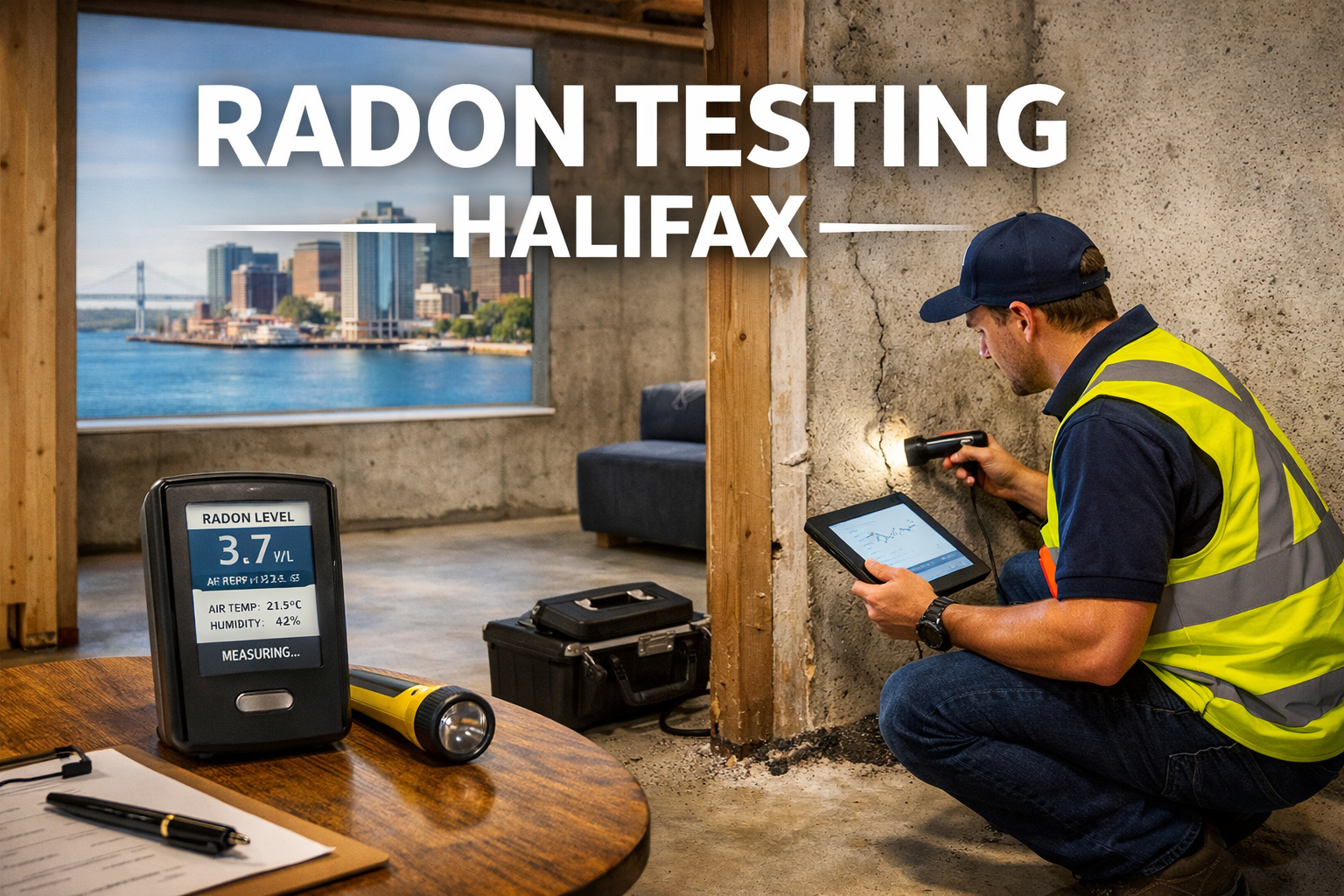
Radon Testing Halifax

Radon Testing Halifax: Are You Really Safe at Home?

Keeping your family safe is every homeowner’s priority in Nova Scotia. While we often focus on visible concerns like fire safety or security, radon is an invisible risk that can quietly enter your home through the foundation. For residents in Halifax, professional radon testing Halifax is the most reliable way to identify this potential issue. Early detection can help you monitor and manage potential long-term health risks.

Radon has no color, smell, or taste. This makes it impossible to detect without professional-grade tools. While DIY kits may provide a rough indication, professional testing offers more reliable results, as radon levels can fluctuate with weather and ventilation.

Radon Testing Halifax

Why Radon is a Concern in Nova Scotia

Radon comes from the natural breakdown of uranium in the soil and rocks under your home. When this gas is outside, it mixes with the fresh air and stays at very low, safe levels.

The problem starts when the gas gets trapped inside a building. Because modern homes are built to keep heat in, they also tend to keep radon in. Over time, the gas can build up in basements and crawl spaces.

It is important to know that radon enters through tiny cracks in the floor, gaps around pipes, or even through small pores in concrete. Every house is different; your home might have high levels while the house next door is perfectly fine.


This is why you cannot rely on a neighbor’s results. Regular radon testing Halifax is the only way to be sure about your own property, especially if you spend a lot of time in the lower levels of your house.

The Value of a Professional Test

Professional testing typically delivers more precise results than standard store kits, thanks to certified equipment and proper placement. Here is why it matters:

  • Accuracy: Professionals use equipment that is regularly calibrated to ensure the numbers are right.
  • Placement: Detectors need to be in the right spot. If they are placed too close to a window or fan, readings may be inaccurate.
  • Detailed Reports: You don’t just get a number; you get an explanation of what that number means for your health.
  • Real Estate Confidence: If you are selling your home, a professional report from Radon Atlantic provides buyers with verified radon levels.

How the Testing Process Works

Testing for radon is a straightforward process, but it needs to be done correctly to be useful. There are a few different ways to check your home:

Short-term tests usually last between two and seven days. These are great if you are in a hurry, like when you are buying a new house and need an answer fast.

Long-term testing is usually better for homeowners. Radon levels can fluctuate with seasonal changes, such as rainfall or ground freezing. A long-term test, running 90 days or more, provides a more accurate understanding of the radon levels you are exposed to throughout the year.

When to Call for a Test

It’s recommended to schedule radon testing in Halifax, especially if:

  • You have a basement used as a bedroom or living area.
  • You have recently done renovations that might have changed the airflow in the house.
  • You are about to buy or sell a home in the Halifax area.

If a test shows that your levels are high, there are several ways to fix it. Professionals can install systems that reduce radon levels by venting it outside. When installed correctly, these systems are designed to significantly reduce radon concentrations.

Protecting Your Family Long-Term

Radon exposure is recognized by health authorities as a potential risk factor for lung cancer. Scheduling radon testing is a recommended step to help monitor and manage potential exposure. Whether you have a brand-new house or an older home, knowing your radon levels is part of being a responsible homeowner.

Call Radon Atlantic at 902 444 8724 or visit our website https://www.radonatlantic.com/ to schedule your radon testing Halifax today.

Radon Mitigation System Installers | Certified Radon Solutions

Radon Mitigation System Installers: Why You Need Professionals 

Radon is one of those problems most homeowners don’t see coming. It has no smell, no colour, and no immediate warning signs. Yet it can enter homes quietly through foundations and stay trapped indoors. This is why many homeowners turn to certified radon mitigation system installers instead of DIY fixes. 

At Radon Atlantic, the approach includes testing, assessment, and long-term radon reduction based on recognized standards. A radon system only works well when it is designed for the specific home, not treated as a one-size solution.

What Is a Radon Mitigation System Designed to Do?

A radon mitigation system is built to reduce radon levels inside a home by controlling how gas enters and exits the structure.

In most cases, the system works by:
  • Drawing radon from below the foundation
  • Redirecting it through sealed piping
  • Safely venting it outside above roof level
Core components typically include:
  • PVC piping system
  • Continuous radon fan
  • Suction points in the foundation
  • Sealing of key entry locations
  • Monitoring and testing support

Every installation is based on the home’s structure, soil conditions, and measured radon levels.

Why Is Proper Assessment So Important Before Installation?

At Radon Atlantic, mitigation is always based on testing and site evaluation first. This step helps ensure the system is correctly designed for the property.

A professional assessment usually includes:

Foundation review

Technicians inspect:
  • Basement slab joints
  • Cracks and gaps
  • Sump systems
  • Crawl space areas
  • Utility penetrations

These areas are common radon entry pathways.

Radon measurement review

Existing test results are reviewed or new testing is recommended to confirm exposure levels.

Airflow and pressure evaluation

Understanding how air moves through the home helps determine the most effective system design.

Why Do DIY Radon Solutions Fall Short in Most Homes?

Some homeowners attempt sealing cracks or using basic ventilation changes. While these steps may help reduce some entry points, they may not fully address how radon moves through soil and pressure differences in many homes. 

Common limitations of DIY approaches include:
  • No engineered airflow design
  • Incorrect fan sizing or placement
  • Incomplete sealing of entry points
  • No sub-slab suction system
  • No post-installation verification testing

Without proper system design and testing, radon levels may remain higher than expected even if some improvements are visible. This is why professional installation is often recommended.

What Makes Professional Installation Different?

Certified installers typically follow a structured process based on testing and building science principles. 

  1. System design based on data

Each system is designed using:

  • Radon levels
  • Home layout
  • Foundation type
  • Soil conditions
  1. Proper installation standards

Systems are installed to ensure:
  • Continuous operation
  • Safe exterior venting
  • Efficient sub-slab suction
  • Long-term durability
  1. Verification testing

After installation, testing is performed to confirm radon reduction performance after installation. 

How Long Does a Typical Installation Take?

Most residential radon mitigation systems can be installed within one day.

A standard installation process includes:
  1. Creating a suction point in the foundation
  2. Installing PVC piping system
  3. Fitting the radon fan
  4. Sealing identified entry points
  5. System testing and activation

More complex homes may require additional time depending on structure and access points.

Are Radon Mitigation Systems Noisy or Disruptive?

Modern systems are generally designed for quiet operation when installed correctly. 

Installers typically place fans in locations such as:

  • Garages
  • Exterior walls
  • Utility rooms
  • Attic spaces (where appropriate)

When properly installed, systems run continuously with minimal noise inside living areas.

What Should Homeowners Ask Before Choosing Installers?

Choosing experienced professionals is an important part of the process.

Homeowners may ask:
  • Is post-installation testing included?
  • How is the system designed for my home?
  • What standards do you follow for installation?
  • Where will the vent system exit the building?
  • Is ongoing maintenance required?

Clear answers usually reflect a more structured and professional approach.

Why Are More Homeowners Choosing Certified radon mitigation system installers Today?

Awareness of indoor air quality has increased significantly in recent years. Radon is now widely recognized as a long-term health concern when present at elevated levels.

Certified installers provide:
  • Testing-based system design
  • Professional installation methods
  • Compliance with recognized mitigation standards
  • Radon reduction results are verified through post-installation testing. 
  • Long-term system performance support 

At Radon Atlantic, the approach is focused on safe indoor environments supported by proper measurement, installation, and validation.

Key Takeaways

Radon cannot be seen or detected without proper testing, which is why professional handling is important. A mitigation system is not just equipment installation—it is a structured process based on assessment, design, and verification.

Working with experienced radon mitigation system installers helps support proper system design for the home, professional installation, and verification through testing for improved long-term system performance and indoor air quality. 

Radon Mitigation Halifax | Trusted Radon Specialists Near You

How Does Radon Mitigation Halifax Work and What Should You Expect? 

Have you recently tested your home for radon and wondered what steps to take next? Since radon is invisible and cannot be detected without testing, many homeowners only become aware of its presence after receiving their results. Professional radon mitigation Halifax services can help homeowners review available options and explore solutions that may be suitable for their property’s needs. 

Understanding how radon enters a home, how mitigation systems work, and what affects installation decisions can make the process easier to navigate.

What Is Radon and How Does It Enter a Home?

Radon is a naturally occurring gas released from soil and rock as part of the natural breakdown process of uranium. While it exists outdoors at low levels, it can accumulate indoors when it enters through openings in a home’s foundation.

Common entry points include:
  • Cracks in basement floors and foundations
  • Gaps around pipes, drains, and utility lines
  • Construction joints
  • Crawl spaces and other foundation openings

Because radon has no colour, smell, or taste, homeowners cannot identify it without proper testing. This makes regular testing an important step for understanding indoor air conditions.

Why Should Homeowners Consider Radon Mitigation?

Many homeowners ask whether installing a mitigation system is necessary after receiving elevated radon test results. The answer depends on several factors, including test readings, home design, and professional recommendations.

Mitigation may be worth considering when:
  • Radon levels are higher than recommended guidelines
  • You spend significant time inside the property
  • You want to address known radon concerns
  • You are purchasing or renovating a home

Taking action after testing allows homeowners to explore practical solutions rather than relying on assumptions about indoor air quality. For homeowners exploring radon mitigation Halifax, understanding the available options and how different systems work can help them make informed decisions about their property. 

How Does a Radon Mitigation System Work?

A radon mitigation system works by collecting radon gas from beneath a home and directing it outside before it can enter indoor spaces. The system design depends on the property’s foundation type, construction, and existing conditions.

One common approach is a sub-slab depressurization system, which uses suction beneath a concrete slab to help draw radon gas away from the home. A fan helps move radon gas from beneath the foundation through a venting system before it is released outdoors. 

Typical system components may include: 
  • A suction point installed beneath the concrete slab
  • Durable piping connected through the home
  • A ventilation fan designed for continuous operation
  • Exterior venting components

A professional assessment helps determine which system design is suitable for the specific property.

What Factors Affect Radon Mitigation System Cost?

One of the most common questions homeowners have is about radon mitigation system cost. Since every property has different construction features, the overall investment can vary from one home to another.

Several factors can affect pricing, including:

  • Foundation type and accessibility
  • The number of suction points required
  • The complexity of the piping layout
  • Installation conditions around the property
  • Equipment requirements

Rather than relying on general estimates, homeowners can benefit from a property-specific evaluation to understand what their mitigation needs may involve.

Is Radon Mitigation Installation Disruptive?

Many homeowners hesitate because they assume mitigation requires major changes to their property. In most cases, the process is planned around the existing structure to reduce unnecessary disruption.

The general installation process usually involves:
  1. Reviewing available radon test results
  2. Inspecting the foundation and possible entry points
  3. Selecting an appropriate mitigation approach
  4. Installing the required components
  5. Checking system operation after completion

Working with experienced professionals can help support proper system selection and installation based on the home’s requirements. 

Why Choose Radon Atlantic for Radon Mitigation Support? 

Choosing an experienced provider can help homeowners navigate the mitigation process from assessment to installation. Radon Atlantic helps homeowners understand their radon concerns and explore mitigation options designed around their property. 

Professional guidance can help with:
  • Reviewing radon test results 
  • Identifying possible entry points
  • Choosing suitable mitigation options
  • Learning how installed systems operate

Every home has different construction characteristics, which is why a personalized approach is important when planning radon solutions.

How Do You Get Started With Radon Mitigation?

If you are concerned about radon in your home, testing is the first step toward understanding your indoor environment. Once results are available, you can review possible mitigation options based on your property’s needs.

For homeowners looking for radon mitigation Halifax, learning about available systems, installation factors, and cost considerations can make the decision process simpler. With guidance from Radon Atlantic, homeowners can learn more about available options and take informed steps when addressing radon concerns.

Radon Testing Nova Scotia Common Mistakes Homeowners Make

Radon Testing Nova Scotia: 5 Common Mistakes Homeowners Should Avoid

When it comes to maintaining your home, some problems are easy to notice while others remain hidden. Radon is one of those concerns because it has no colour, smell, or visible warning signs. Testing is the most reliable way to determine whether radon is present in your home. Professional radon testing Nova Scotia services help homeowners understand their indoor radon conditions using established testing methods.

Radon testing in Nova Scotia

Many homeowners know that testing is important, but simple mistakes during the process can affect how useful the results are. Understanding these common errors can help you approach radon testing with greater confidence.

Mistake 1: Assuming Your Home Is Not at Risk

One of the biggest mistakes homeowners make is believing radon only affects certain types of properties. Some assume that newer homes, homes without basement issues, or properties in specific neighbourhoods do not need testing.

However, radon can enter different types of buildings through small openings connected to the ground, including:

  • Cracks in foundations
  • Gaps around pipes and utility lines
  • Floor drains and sump areas
  • Construction joints

Every home is different, and nearby properties can have different radon readings. Instead of making assumptions based on your home’s age or appearance, testing provides actual information about your indoor environment.

Mistake 2: Waiting Until There Is a Visible Problem

Many household concerns create noticeable signs. A leaking pipe leaves water marks, and a damaged roof may show visible issues. Radon does not work the same way.

Because radon cannot be detected without specialized equipment, waiting for a warning sign is a common mistake. Without testing, homeowners may remain unaware of their indoor radon conditions for extended periods. 

Regular testing can help homeowners:

  • Understand current radon levels
  • Identify changes over time
  • Stay informed after renovations or property changes

Testing is about gaining knowledge rather than waiting for a problem to appear.

Mistake 3: Choosing a Testing Method Without Understanding It

Homeowners today have access to different testing options. Some choose professional services, while others prefer using a radon testing kit Canada option for convenience. 

However, the accuracy of a test depends on more than simply placing a device in your home. Factors such as testing duration, device location, and following instructions correctly can influence the results.

Before selecting a testing method, consider:

  • How long the test needs to run
  • Where the device should be placed
  • How results will be reviewed
  • Whether professional guidance is available

Choosing the right testing approach helps homeowners collect useful information about their property’s radon conditions. 

Mistake 4: Placing the Testing Device in the Wrong Location

Proper placement plays an important role in collecting useful radon readings. A testing device should represent the air conditions in a regularly used area of the home. During radon testing Nova Scotia homeowners should follow proper placement guidelines to collect more meaningful information about indoor radon levels. 

Common placement mistakes include:

  • Moving the device during the testing period
  • Placing it near windows, vents, or heating sources
  • Keeping it in areas that do not reflect normal living spaces

Following placement guidelines helps provide a clearer picture of the home’s radon conditions. 

Mistake 5: Ignoring the Results After Testing

Completing a test is only the first step. Another common mistake is receiving the results but not understanding what they mean.

Homeowners often wonder whether their readings are typical, what factors may have influenced the results, or what steps they should consider next. Knowing how to measure radon levels and interpret testing information can help homeowners make informed choices.

After receiving results, homeowners should consider:

  • Reviewing the reported levels carefully
  • Understanding testing conditions
  • Looking at possible factors affecting readings
  • Considering additional steps if needed

Results provide valuable information about what is happening inside your home.

Why Accurate Radon Testing Matters for Your Home 

Radon testing helps replace uncertainty with information about your home’s indoor conditions. Professional radon testing Nova Scotia services can provide homeowners with guidance throughout the testing process and help them better understand their results. 

A proper testing process can help homeowners:

  • Understand their home’s indoor air conditions
  • Identify whether further action may be needed
  • Make decisions based on actual measurements

Radon Atlantic helps homeowners navigate the testing process by providing guidance and support throughout their radon testing experience. 

Final Thoughts

Radon is a hidden concern that cannot be detected by sight or smell and requires testing to identify its presence. Avoiding common mistakes allows homeowners to get more meaningful results and make informed decisions about their property’s conditions. 

Whether you choose professional assistance or a testing option that suits your needs, learning how to measure radon levels can help you evaluate your home’s conditions. With the right approach, homeowners can take informed steps based on their results.