Radon Mitigation System Cost Canada | Find the Best Approach
Radon Mitigation System Cost Canada: Why Every Home Is Different
The radon mitigation system cost Canada homeowners may face depends on their property’s foundation, the mitigation method selected and the work required for installation. A finished basement, a concrete slab and a crawl space can each present different challenges. If testing reveals elevated radon levels, understanding these differences can help you evaluate your options, compare estimates and plan the next steps. Rather than relying on a standard price, consider what your home requires and what an installation estimate actually includes.
What Determines Your Radon Mitigation Estimate?
Two homes in the same neighbourhood may need different mitigation plans. Foundation construction, equipment placement, access to installation areas and the proposed system design can all influence the scope of work.
When reviewing an estimate, consider these factors:
Foundation type: Basements, concrete slabs and crawl spaces can require different installation approaches.
System design: Equipment selection, suction point placement and vent pipe routing affect the work involved.
Accessibility: Finished walls, limited working space and existing utilities may complicate installation.
Additional work: Sealing certain openings or addressing specific foundation conditions may affect the estimate.
Follow-up testing: Check whether post-installation measurements are included or arranged separately.
A clear estimate should explain the proposed work and identify any exclusions. This allows you to compare the actual scope of different proposals instead of choosing solely on the quoted total.
Three Homes, Three Different Mitigation Estimates
Consider three homeowners who discover elevated radon levels. Their situations demonstrate why an assessment should account for the individual property rather than assume every installation will be the same.
Scenario 1: The Home With a Finished Basement
A homeowner has recently renovated the basement, adding drywall, flooring and a finished living area. After testing reveals elevated radon levels, they begin exploring mitigation options.
The existing layout may affect equipment placement and pipe routing. Depending on accessibility, additional work may be needed to accommodate the system without unnecessarily disturbing the finished space.
What to ask: How will the proposed system fit into the existing layout, and are any modifications to the finished basement expected?
Scenario 2: The Home Built on a Concrete Slab
Another homeowner has a house built on a concrete slab rather than a full basement. The mitigation plan may need to account for the slab’s construction, conditions beneath it and suitable locations for system components.
The installation approach should reflect these characteristics instead of simply copying a design used in another property.
What to ask: Which mitigation method is recommended for this foundation, and what installation work is included in the estimate?
Scenario 3: The Home With a Crawl Space
A third homeowner discovers elevated radon levels in a property with a crawl space. The assessment may need to consider accessibility, ground covering and potential pathways through which radon enters the home.
These conditions can influence the design and scope of the proposed work.
What to ask: How will the crawl space be addressed, and how will the results be checked after installation?
These examples illustrate why the radon mitigation system cost Canada homeowners receive in an estimate should reflect their property’s actual requirements. The foundation alone does not determine the price; the complete installation plan matters.
How Can You Compare Radon Mitigation Quotes?
A lower quote may cover a different scope of work than a higher one. Before making a decision, ask each provider:
- Which equipment, labour and installation tasks are included?
- Are additional repairs or modifications charged separately?
- Why is the proposed mitigation method suitable for the property?
- Is post-installation radon testing included?
- What maintenance or follow-up checks may be required?
Keep the answers with each estimate so you can compare the proposed solutions fairly. Understanding what is included also helps you identify questions that need clarification before approving the work.
Which Mitigation Method May Suit Your Home?
Radon Atlantic provides radon assessment and mitigation services to help homeowners understand their radon levels and explore suitable mitigation options.
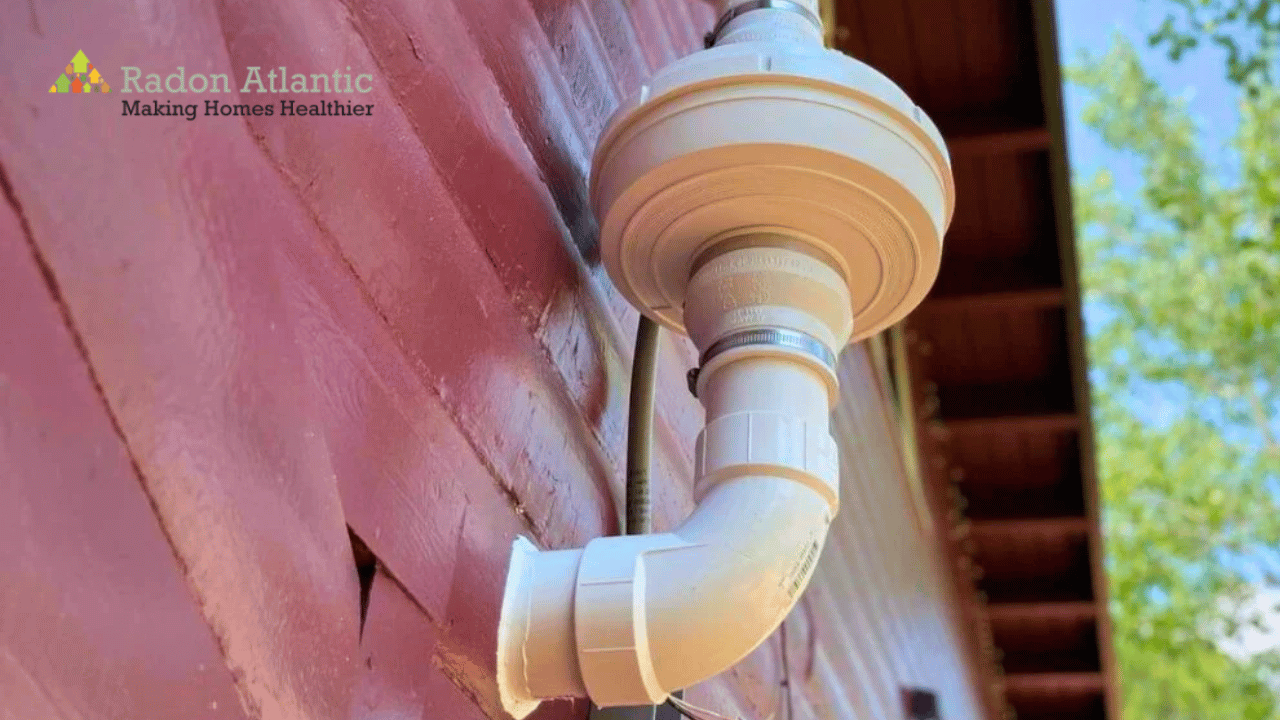
Its mitigation services include active soil depressurization (ASD) and heat recovery ventilation (HRV) systems. ASD draws radon from beneath a building’s foundation and vents it outdoors. HRV systems exchange indoor and outdoor air while recovering heat. Their suitability for radon mitigation depends on the property’s conditions and the recommended approach.
The right approach depends on the property’s conditions and assessment findings. Radon Atlantic can help homeowners understand the available options and the work involved in addressing elevated radon levels.
Get an Estimate for Your Property
Mitigation costs depend on the installation requirements, not simply the equipment. Understanding your test results, foundation type and proposed system can help you make a more informed decision about radon mitigation system cost Canada.
If your home has elevated radon levels, contact Radon Atlantic to discuss your property’s requirements and request an estimate. Explore suitable mitigation options, clarify installation requirements, and ask about post-installation testing before deciding on your next step.