
Radon Mitigation System Maintenance | System Performance
Radon Mitigation System Maintenance: Testing, Care, and Repairs
Once a radon mitigation system is installed, it is easy to assume the job is done. But fans can wear out, pipes can become damaged, and radon levels can change over time. Radon mitigation system maintenance helps homeowners keep an eye on these changes and recognize when the system needs attention. Knowing what to check, when to test, and when to call a professional can make it easier to look after your home’s radon mitigation system.
What Tells You If Your System Is Working?
Two things are worth paying attention to: the condition of the equipment and the amount of radon in your home. Checking the system can help you notice potential equipment problems, while testing provides information about indoor radon concentrations.
1. Start With the Equipment
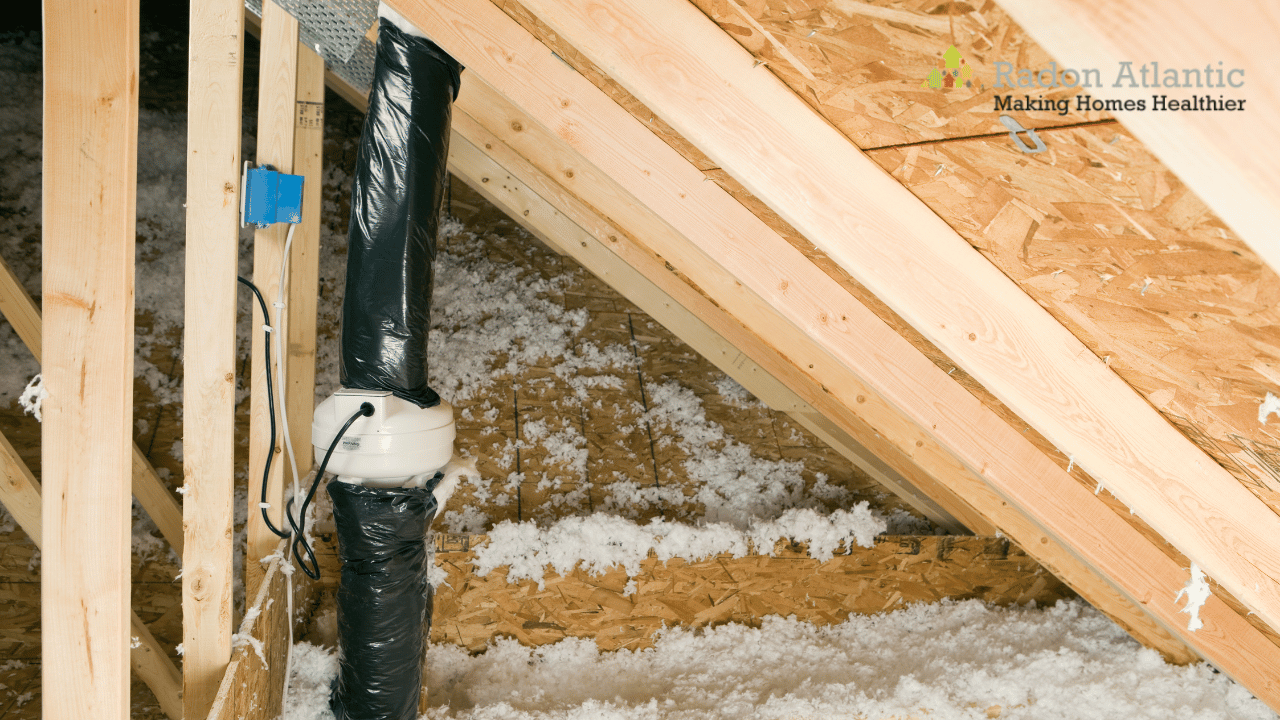
Most active radon mitigation systems use a fan to draw soil gas from beneath the foundation and direct it outdoors through a vent pipe. The fan generally operates continuously, so changes in its operation are worth noticing.
Listen for unusual rattling or grinding sounds. If the fan stops running or you notice visible damage to the piping, arrange an assessment by a qualified professional. A problem with one component does not automatically mean the entire system needs replacing.
2.Check Your Radon Test Results
A system that appears to be operating normally does not necessarily mean indoor radon levels remain low. Follow-up testing helps homeowners understand the radon concentration inside their homes and identify changes that may need attention.
Testing after installation provides information about how well the system has reduced radon levels. Health Canada recommends testing a home for at least three months, ideally during the fall and winter, to obtain a more representative picture of indoor radon levels. Retesting may also be appropriate after significant renovations or repairs that affect the home’s structure or ventilation.
Why Might Your System Need Attention?
A radon mitigation system can develop problems as its components age. Changes around the house can also affect how it operates.
Here are a few things that may call for a closer look:
A worn or faulty fan: Mechanical problems or a power interruption can stop the fan from operating as intended.
Pipes and connections: Visible damage to piping or connections may need professional inspection and repair.
Renovations: Foundation work, basement remodelling, or other structural changes may affect radon entry conditions or the existing system.
Higher radon readings: An unexpected test result deserves attention, even if the equipment appears to be running normally.
The next step depends on what has changed. A faulty fan may need repair or replacement, while an unexpected test result may call for a closer look at the system and the building itself.
What Can You Check Between Service Visits?
You can keep track of several things without taking the system apart. A few minutes spent checking accessible components can help you notice potential problems.
Fan: Listen for unfamiliar sounds and notice if it stops running.
Visible piping: Look for obvious damage to accessible sections of the pipework.
Test records: Keep previous radon results so you can compare them with new measurements.
Leave electrical work, fan repairs, and technical adjustments to a qualified professional. Regular radon mitigation system maintenance can help you identify visible equipment issues and recognize when professional attention may be needed. Ask about the maintenance requirements for your particular system and whether follow-up testing is recommended.
When Should You Call a Professional?
Sometimes the next step is clear. Other times, a change in the system needs a closer look before you know what is wrong.
| What you notice | What to do |
| The fan has stopped | Arrange an assessment of the fan and its power supply. |
| You notice a change in system operation | Contact a qualified professional for advice. |
| A pipe or connection looks damaged | Arrange an inspection and any necessary repairs. |
| A radon test shows a higher reading | Discuss the result with a qualified radon professional. |
| You have made major changes to the basement or foundation | Ask whether the system needs an assessment or the home needs retesting. |
In Canada, the guideline for indoor radon is 200 becquerels per cubic metre (Bq/m³). Health Canada recommends taking action to reduce radon when the average annual concentration in an occupied area exceeds this level. A qualified radon professional can help you understand your test results and discuss appropriate next steps.
Keep Records of Tests, Repairs, and Changes
Keeping service records and radon test results in one place makes it easier to track your system over time. Note when a fan is repaired, when a component is replaced, and when a new test is completed. If a problem develops later, this history may help a technician understand what has happened.
Before agreeing to repair work, ask what the inspection found, which parts need attention, and whether another radon test is recommended afterwards. This gives you a clearer idea of the work involved and how the results will be assessed.
Need Help With Your Radon Mitigation System?
If your fan has stopped, you notice unusual equipment sounds, or a recent radon test has raised concerns, it is worth finding out why. Radon mitigation system maintenance can help you recognize potential equipment issues and understand when professional assessment may be needed.
Radon Atlantic offers radon analysis, risk assessment, and mitigation services for homeowners with radon-related concerns. Contact our team to discuss your home’s needs and explore the available options.