Creating Safer Homes: Residential Ventilation and Radon Control by Radon Atlantic
These days, the top priority is for people to feel safe and healthy within their household. And that is nearly impossible to achieve without good air, which is why radon mitigation and residential ventilation are the most critical. Radon Atlantic Technology is here to prove its first-rate position in the field, as it not only provides expert services but also offers systems that lead to the disappearance of the radon and thus to the improvement of the indoor air quality in your house.
In what follows, the publication unveils the primary functions of residential ventilation, the ways of effective radon mitigation, and the various services that Radon Atlantic Technology can offer you. The knowledge of proper ventilation importance, the services’ range, and the right contractor choice by homeowners can lead to their family’s health protection and the effect on their households’ condition.
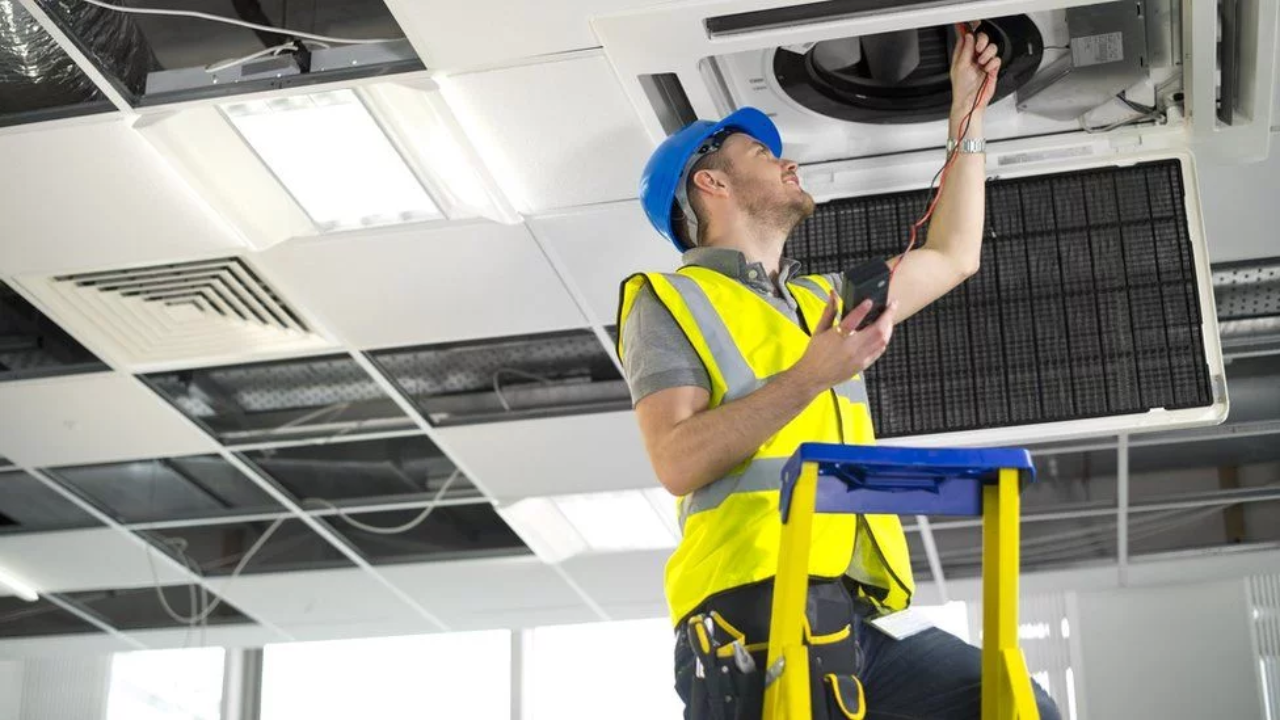
Residential Ventilation Contractors: Radon Atlantic Environmental Technology
Introduction to Radon Atlantic Environmental Technology
Company Overview.
Welcome to Radon Atlantic Environmental Technology, where we bring fresh air into your home! As specialists in residential ventilation, we’re dedicated to ensuring your living space is both safe and because, all while beingdedicated experts in radon mitigation. We believe that a healthy home leads to a happy life, which is why we offer expert advice and top-quality services to homeowners eager to enhance their indoor air quality. Our team is genuinely passionate about environmental safety, and we have the expertise to back it up!
Mission and Vision
Our mission is straightforward: we want to make sure every home has the best ventilation solutions, helping to create healthier indoor air while reducing radon risks. We dream of a world where families can breathe easy, knowing they’re safe from harmful pollutants. With a touch of innovation and a whole lot of dedication, we’re on a mission to turn that dream into reality one home at a time!
Understanding Residential Ventilation
What is Residential Ventilation?
Residential ventilation systems improve air quality, bringing fresh air into your home while taking out the stale air. Think of it as his or her very own breathing apparatus. Proper ventilation reduces moisture buildup and indoor pollutants while maintaining comfort within.
Types of Residential Ventilation Systems
There are a variety of ventilation methods in a home, and each has the superpowers of its own. Let me run you through a quick rundown:
Natural Ventilation: This one depends on nature: The home’s BIOS makes use of vents, windows, and doors for air circulation. So, the house is essentially inhaling the fresh air!
Mechanical Ventilation: Whereas mechanical ventilation is when one controls airflow by means of fans and ducts, ensuring air nearly equally goes in and out, even with the window closed. The cursor is on the cursor here!
Hybrid Systems: It’s a mix of natural and mechanical systems for those souls who want to keep both options open.
The Importance of Radon Mitigation in Homes
What is Radon?
Radon is a radioactive gas occurring naturally due to uranium decay in rocks, soil, and water. It does not have an odor, taste, or color, thus making it one of the dangerous atmospheric contaminators. Entering into homes through cracks and openings, it invisibly turns your cozy home into a hazard!
Health Risks Associated with Radon Exposure
Look, radon doesn’t come smashing through your walls like the Kool-Aid Man, but that doesn’t mean it’s harmless. The stuff just hangs out, minding its own business, turning your basement into a danger zone. Long story short? Breathing it in for years is a surefire way to gamble with your lungs yeah, we’re talking about lung cancer.
Wild fact: it’s actually the runner-up for causing lung cancer in the US, right behind smoking. So, really, cracking a window or getting a vent going is the superhero move here. Why roll the dice when you could just let some fresh air in?
Regulatory Standards and Guidelines
Look, if you own a house and haven’t thought about radon, you’re kind of dropping the ball. There are these big-name organizations, yeah, the EPA’s all over this telling people to freak out if radon levels hit over 4 pCi/L. That’s their whole benchmark. Honestly, just slap a test kit down and see what’s going on. Nobody wants sneaky stuff in their basement, right? Best to stay on top of it and dodge any nasty surprises later.
Services Offered by Radon Atlantic Environmental Technology
Radon Testing and Assessment
First things first: we roll in and test your place for radon, no magic eight balls or weird guesswork. We actually figure out what’s going on. After poking around (metaphorically), we break down all those tricky details so you get the real story. If your place is playing host to too much radon, we’ll cook up a mitigation plan totally tailored for your situation. No cookie-cutter junk. Just real solutions for actual people.
Installation of Ventilation Systems
After we’ve sized up your place, our crew’s good to go no fuss, just straight to business. We’ll handle the whole install gig, ventilation and all, to kick radon’s butt and keep fresh air in the house. Honestly, it’s like your home’s lungs finally get to chill out and breathe easy. Not bad, right?
Ongoing Maintenance and Monitoring Services
Look, just because the fan kicks on doesn’t mean we vanish into thin air. Nope, we’re sticking around for the long ride checking up on your ventilation, making sure it’s still doing its thing. If something’s off, we’ll spot it before it gets a chance to mess up your air. So yeah, kick back and relax. We’re kind of like air quality bodyguards. Do you want your house happy? Take care of it. Simple as that.
With Radon Atlantic Environmental Tech, you might actually notice you’re breathing easier. No joke. We’re in this business to help your place stay healthy one system, one breath at a time.
(Radon Atlantic Environmental Technology yeah, that’s us, your go-to people for home ventilation.)
Choosing the Right Residential Ventilation Contractor
Qualifications and Certifications to Look For
Picking out a ventilation contractor? It’s honestly kind of like swiping on dating apps sure, a good first impression matters, but you want someone who actually knows their stuff. Don’t just fall for a shiny business card or a slick website. Check for legit badges, think NAHB or ASHRAE, maybe even some local licenses, not just some sticker slapped onto a clipboard. If they can’t prove they’re qualified, you’re basically letting a YouTube DIY junkie mess around with your home’s lungs. And trust me, “Jack of all trades” is cool at trivia night, but not when your air quality is on the line.
Comparing Quotes and Services
Seriously, don’t just grab the lowest quote and hope for the best, that’s not lottery night. You got to dig into the details. Check what’s actually included: Are they using cheapo materials or the good stuff? Who’s doing the work, and do they stand behind it with a solid warranty, or just a pinky promise? Energy efficiency? That matters, too, no one’s trying to pay sky-high bills just to save a few bucks upfront. Sometimes that pricier option’s actually saving you a ton in the long run. Trust me: a home that breathes right is worth its weight in gold don’t skimp !
Benefits of Professional Ventilation Solutions
Improved Indoor Air Quality
I mean, let’s be real, your home’s air is clinging to a passing grade by the skin of its teeth. Ever notice that weird smell that kind of just… exists? Yeah, no scented candle’s covering that up. A legit ventilation system could actually kick out all those nasty indoor pollutants, attack the dust bunnies, and maybe, just maybe, you’d stop that endless cycle of sneezing (or swearing at the dust on every shelf). Your nose, your lungs, your sinuses they’ll all throw you a thank-you party.
Energy Efficiency and Cost Savings
Picture this: you’re saving energy and lowering utility bills while ensuring your home is comfortable year-round. Professional ventilation systems can optimize airflow, so you’re not paying to heat or cool the great outdoors. Think of it as giving your HVAC system a spa day everyone deserves a little pampering!
Enhanced Home Safety and Comfort
Look, good ventilation isn’t fancy, it’s straight-up essential. Seriously, have you ever smelled that musty funk when air just sits? Not cute. Moisture piles up, and next thing you know, mold’s having a party in the walls. That stuff wrecks your place, plus let’s be real nobody’s because when the house feels like a sweaty locker room. Get the airflow right, and it’s not just safer, you might even stop sweating through the sheets during those sticky July nights. Win-win, right?
Case Studies: Successful Ventilation Projects
Residential Project
Alright, picture this: sweet little house, super cute, but geez, the air inside? It felt like you were trying to breathe through a winter scarf. The folks living there had just about enough of funky smells and heavy air totally understandable, if you ask me. So, we roll up, check out the situation (honestly, some corners needed a hazmat suit), and come up with a game plan that wouldn’t wreck their bank account. Fast-forward and bam! fresh air, happy faces, house feels brand new. Honestly, it was such a glow-up I almost wanted to move in myself.
Impact on Indoor Air Quality
So once we finally got all that stuff sorted seriously, it took long enough we figured we should give the air a test run. Gotta know if it actually did the trick, right? Well, boom, the crap floating around basically vanished. The dust, pet fluff, that random stuff that makes you feel like you’re auditioning for a tissue commercial is gone. I’m not saying it turned into a five-star resort overnight, but man, the place just felt new. Not as gross. Honestly, it’s like the house did some yoga, took a long bubble bath, and now it’s just vibing. Who’d say no to that?
Conclusion and Next Steps for Homeowners
Summary of Key Points
Alright, so, we’ve just wandered through the wild world of residential ventilation contractors’ kind of more exciting than it sounds, isn’t it? At this point, you pretty much get the gist: what to watch out for, why you’d want to call in the pros, and yeah, those legit-before-and-after stories people love bragging about. Bottom line? Good airflow isn’t just some bougie upgrade for your house it’s actually one of those sneaky things that makes everything feel fresher, cleaner, just… better. Don’t sleep on it. Your lungs (and sanity) will thank you.